NOBODY
ASKED FOR THIS
Six brands that do not exist, 35 frames, none of it commissioned and none of it paid for. Each set was built to prove one thing, and each entry says which thing, because a fake brand only earns a page if it states its test.
- Brands
- 6, all invented
- Frames
- 35, none commissioned
- Purpose
- One stated control per set
- Pipelines
- Phantom Set, Identity Lock
FERAL
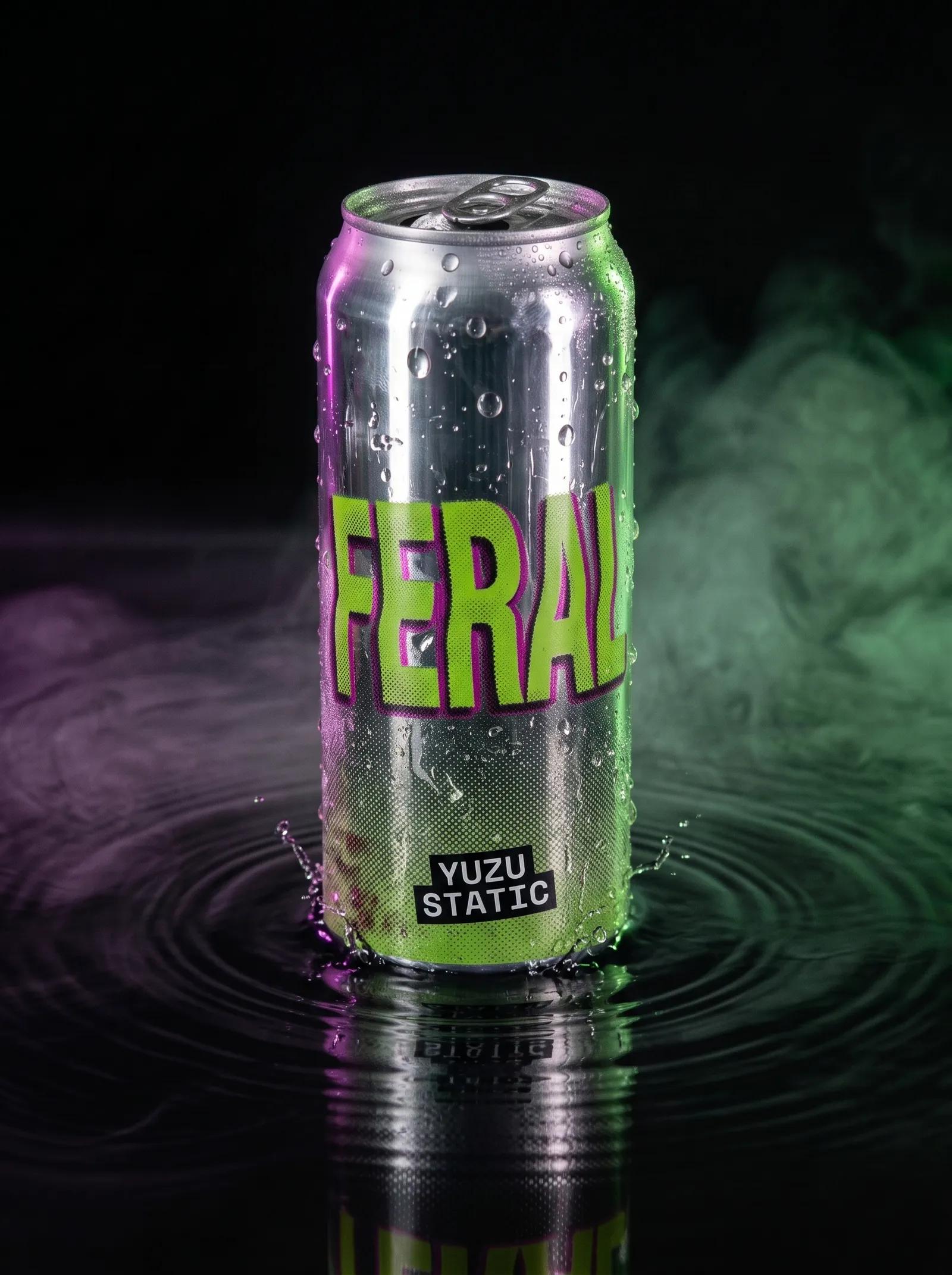
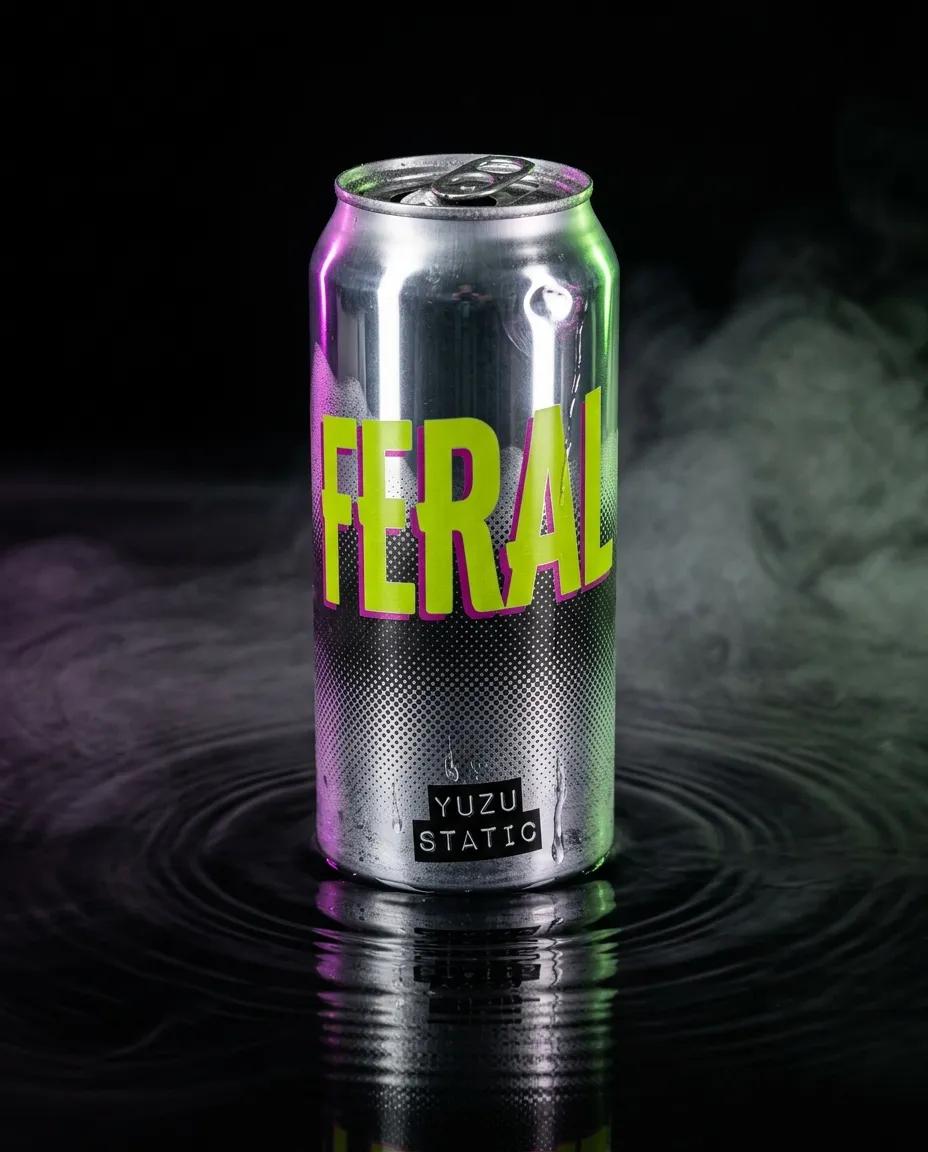
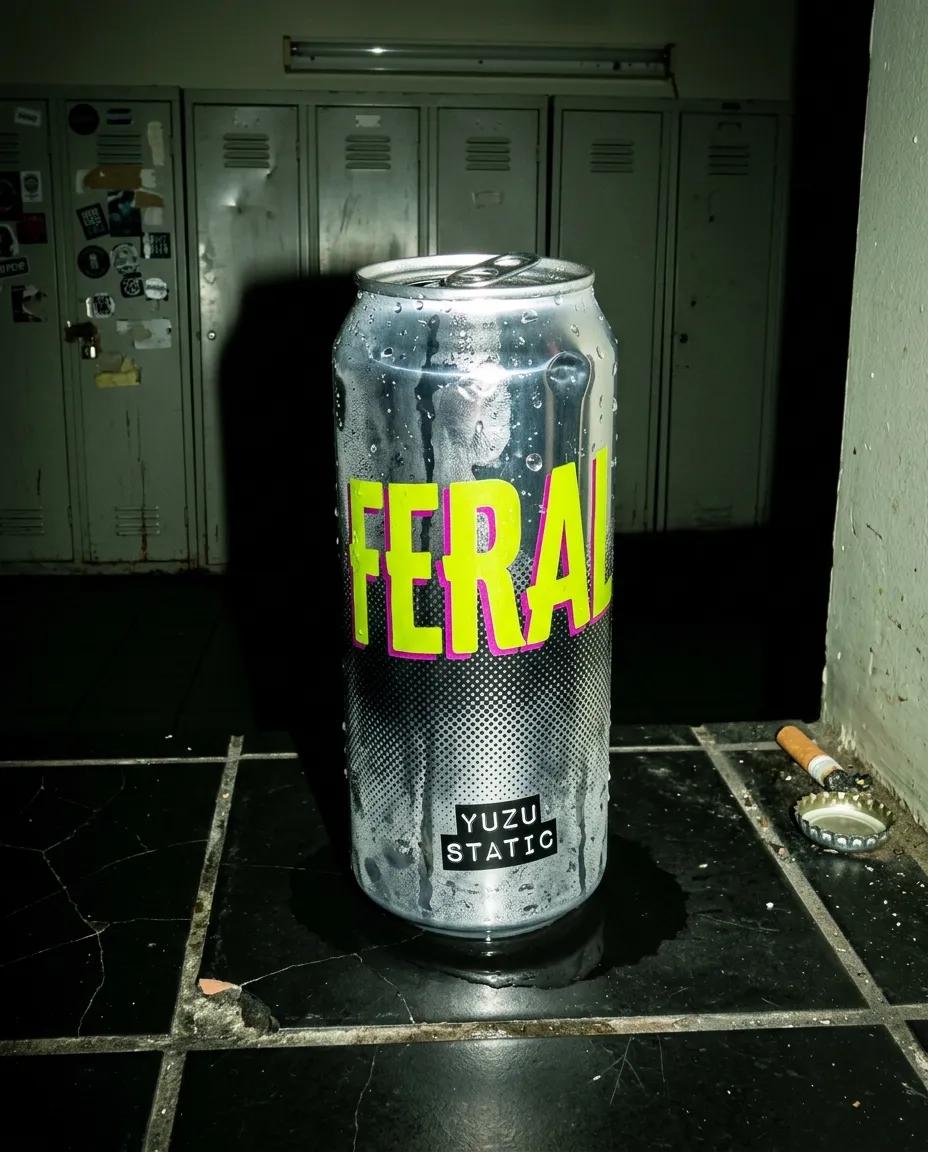
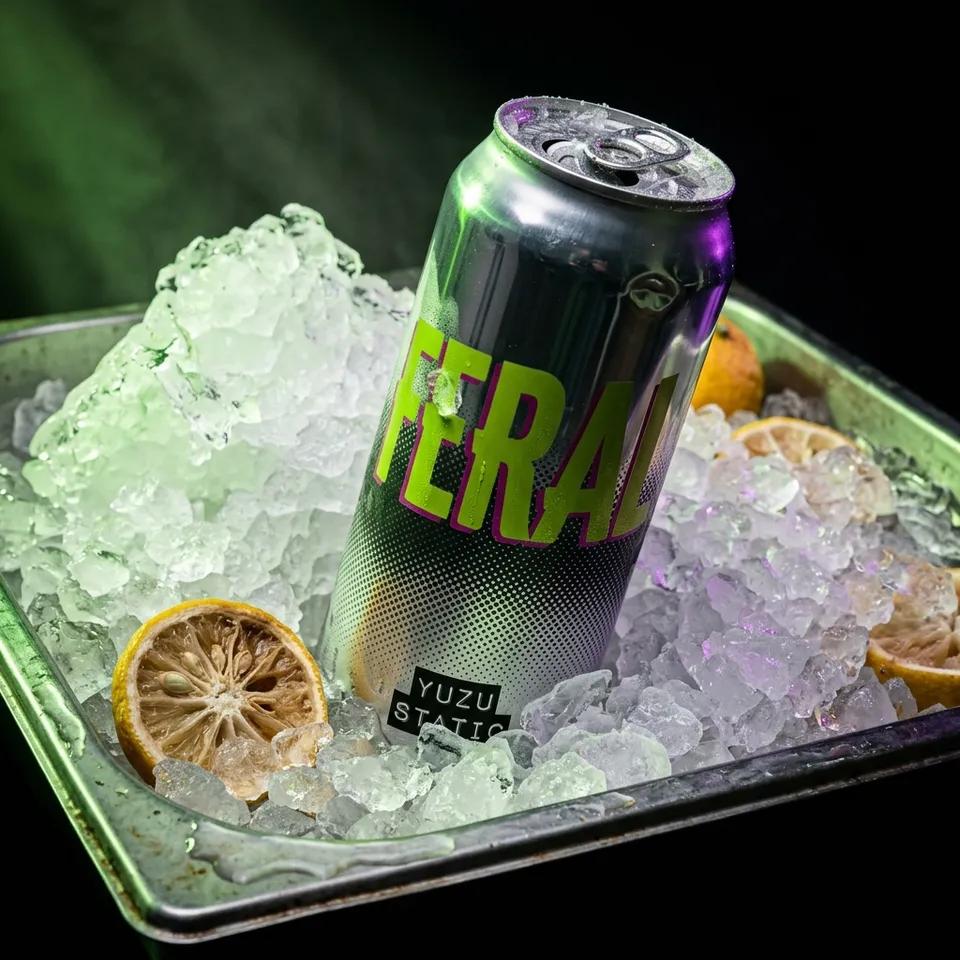
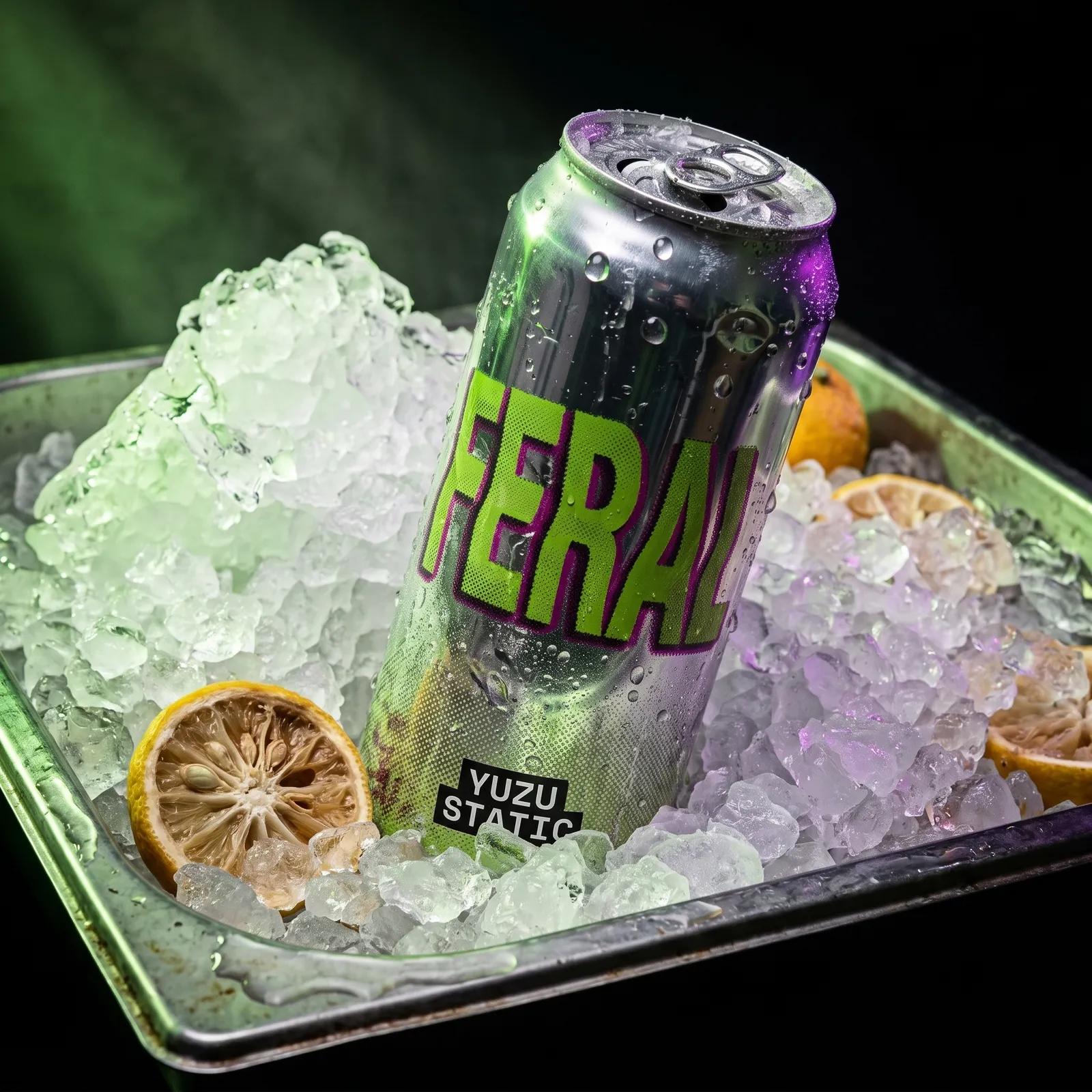
Yuzu Static, canned energy drink
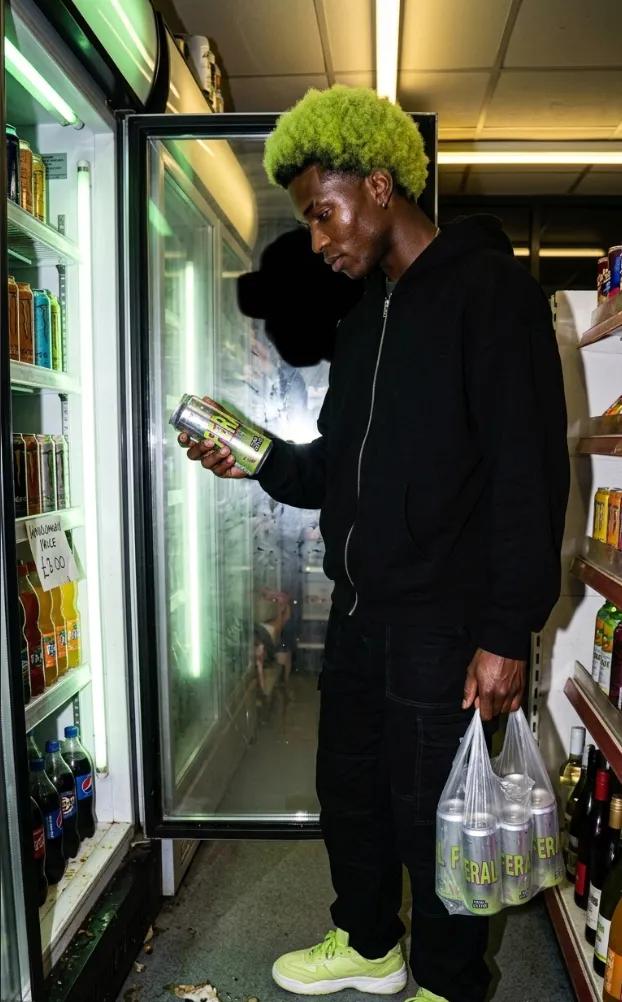
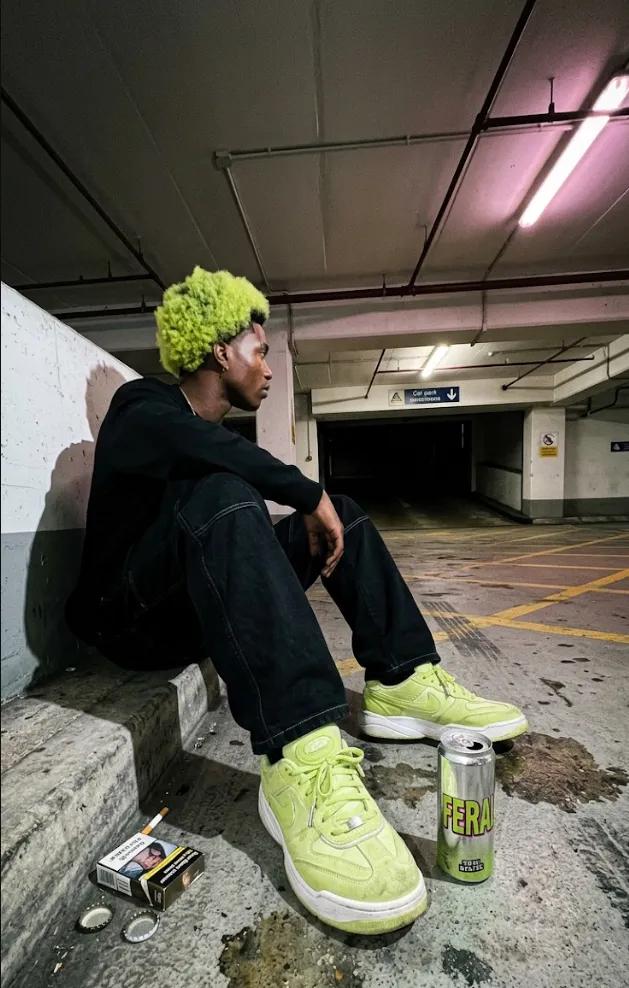
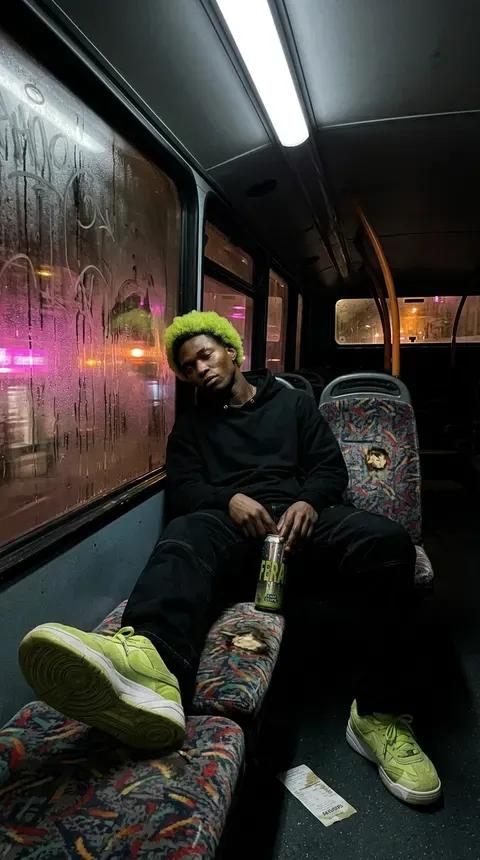
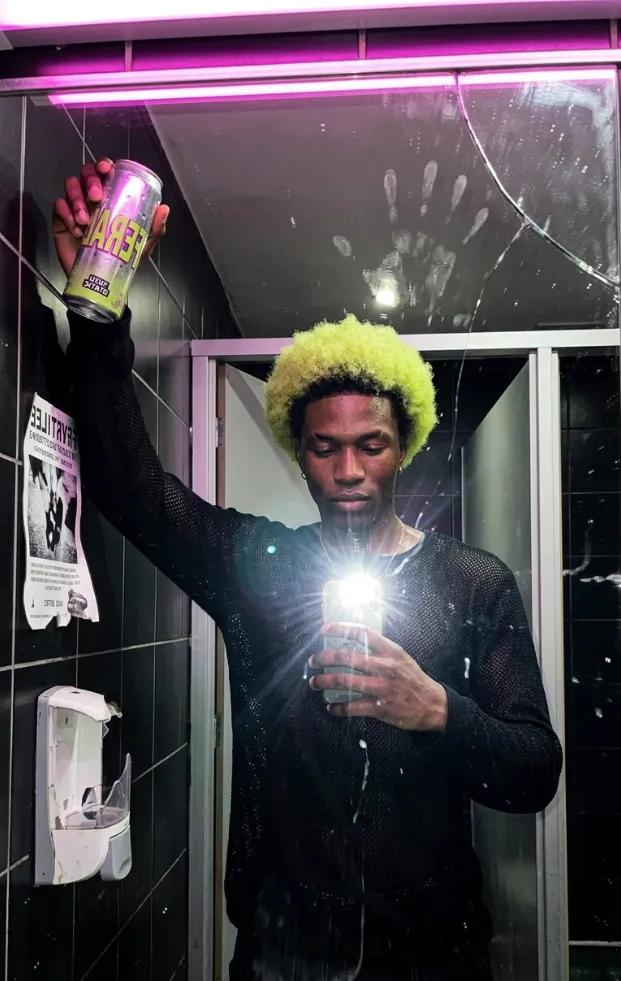
One label held across five sets, one creator held across three rooms, and the same can leaving a billboard
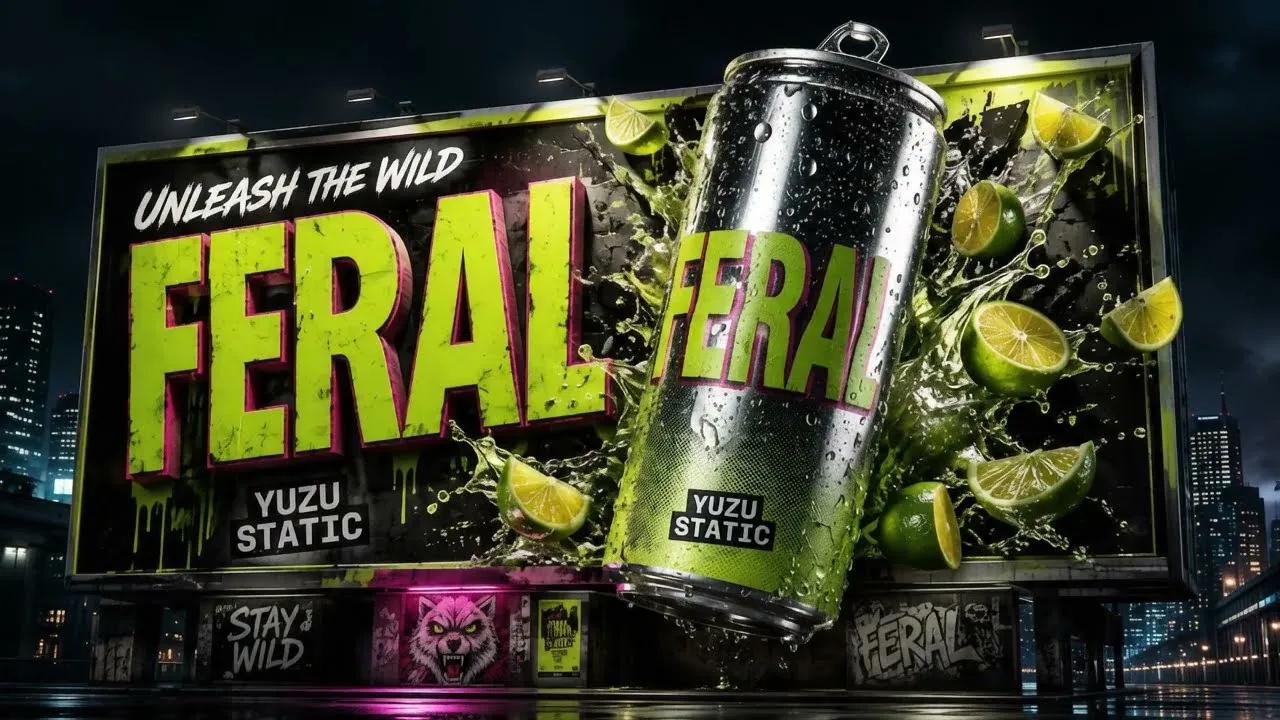
The wordmark on this can is a halftone build with a magenta offset behind green type and a small black box under it reading YUZU STATIC. That is a lot of small structure to keep identical while the light, the surface and the room change underneath it. Five frames, five sets, one plate. The creator frames run the other line: one trained face, a corner shop, a car park and a bathroom mirror, all lit by whatever was in the room. The billboard is the last exam. A break-out board asks a viewer to read the can as flat artwork and as a solid object in the same second, and the light on the street has to agree with the light on the can or the whole thing collapses into a sticker.
The hardest delivery for this can. A break-out board asks the viewer to read the same object as flat artwork and as a solid thing in the same second, so any wobble in the label or the light shows immediately. Same locked plate as the five product sets above. Watch on YouTube ↗
KNUCKLE
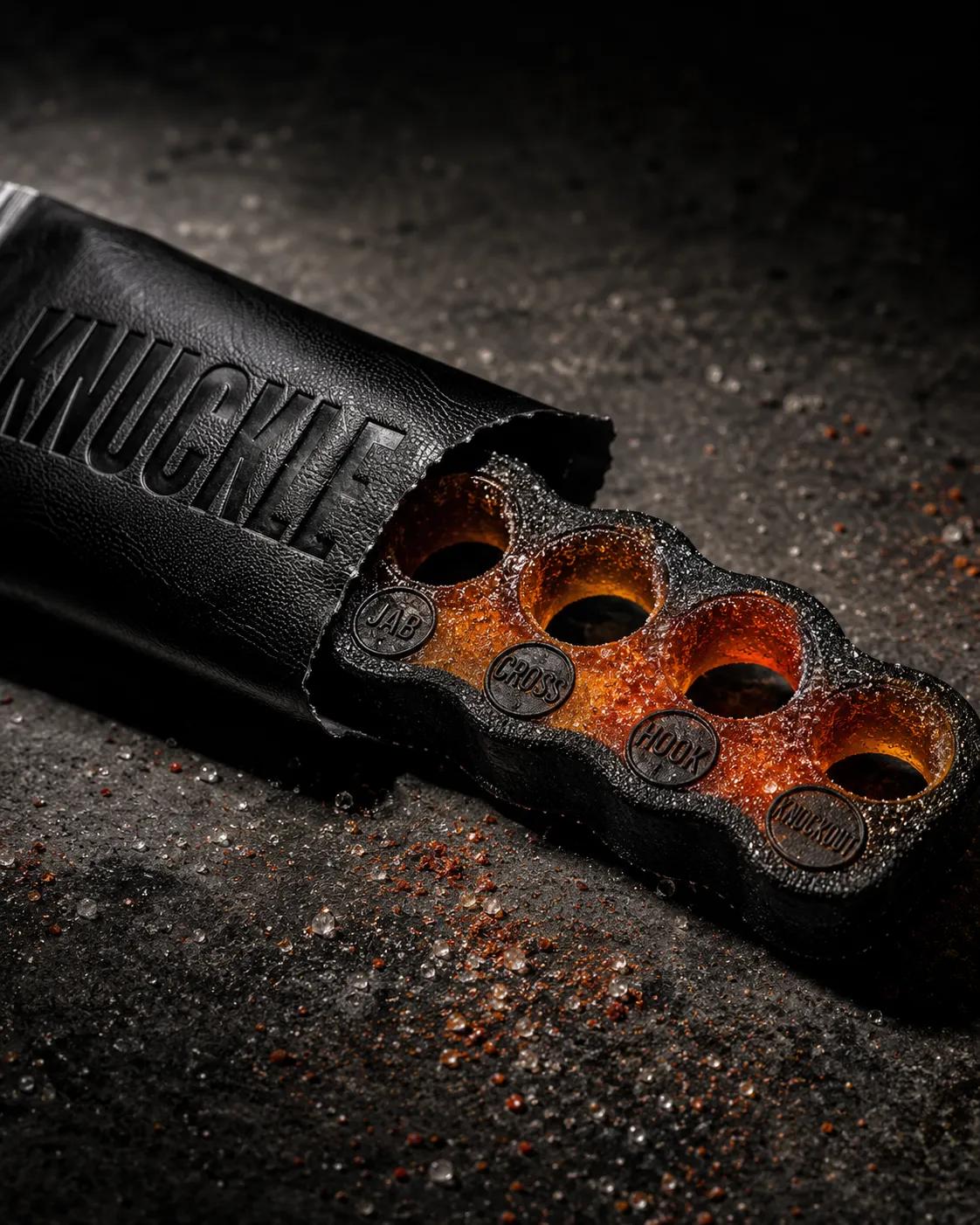
Energy chews, four flavours
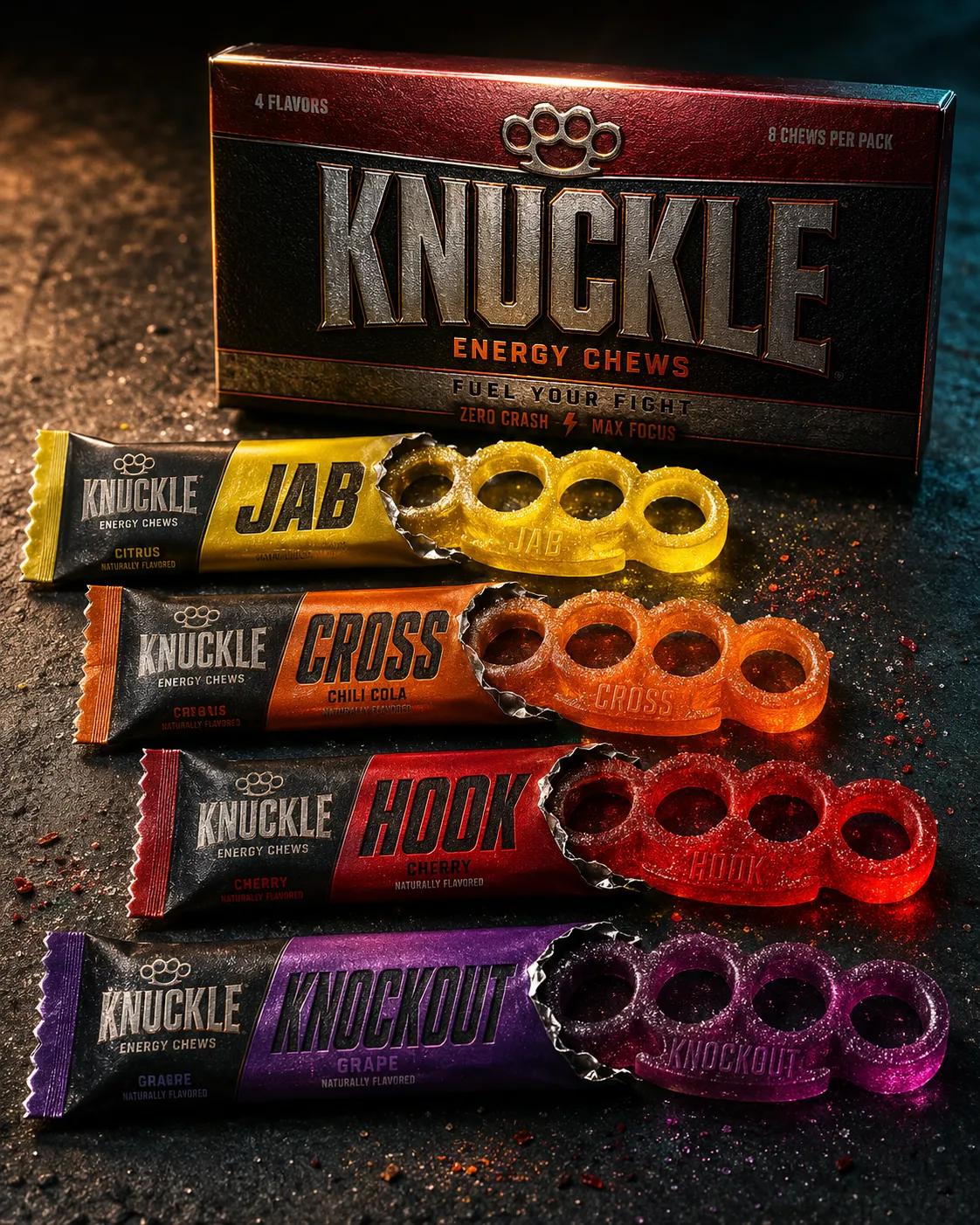
The hardest label test on this shelf: a box, four wrappers and four moulded names
Four flavour names, four wrapper colours, a carton with three lines of small copy across it, and the flavour word moulded into the sweet itself. Every one of those has to read at full zoom, and none of it can be typed back in afterwards. Anything that fails the label gate goes back to the plate.
SLAB
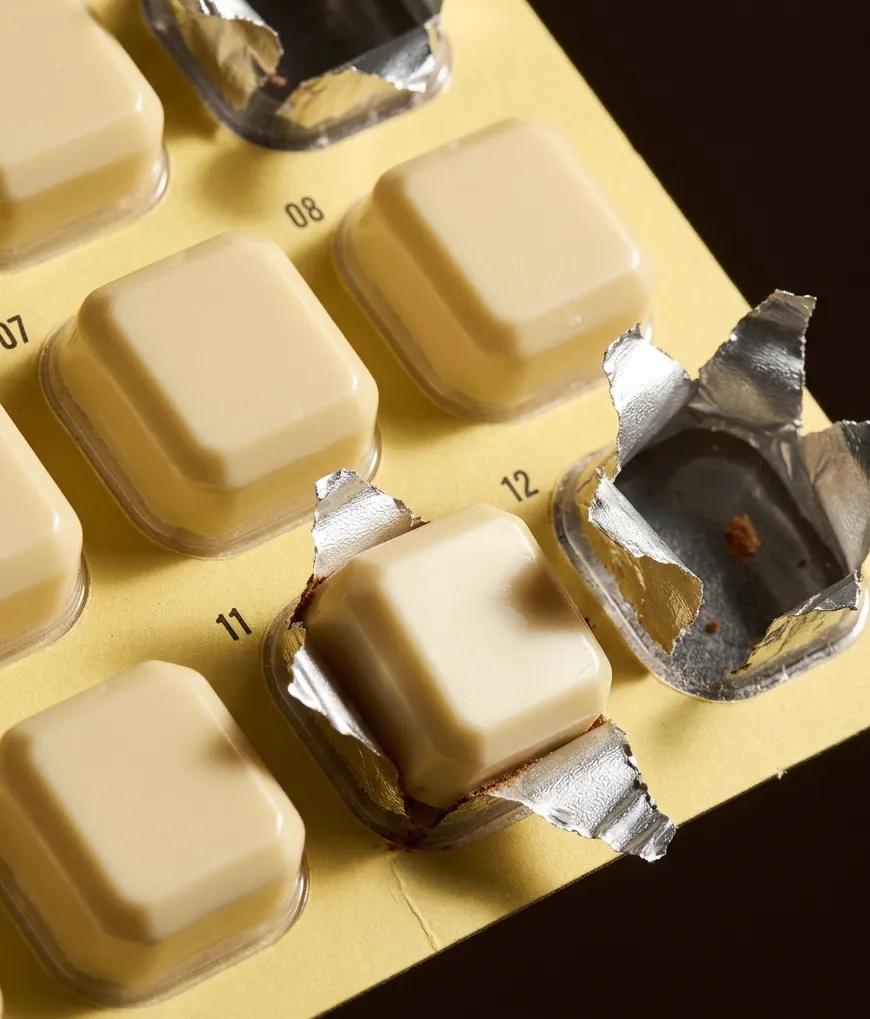
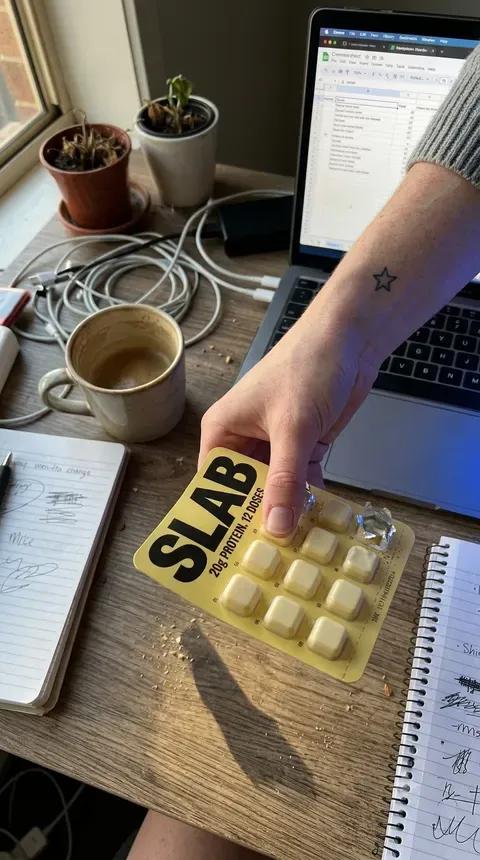
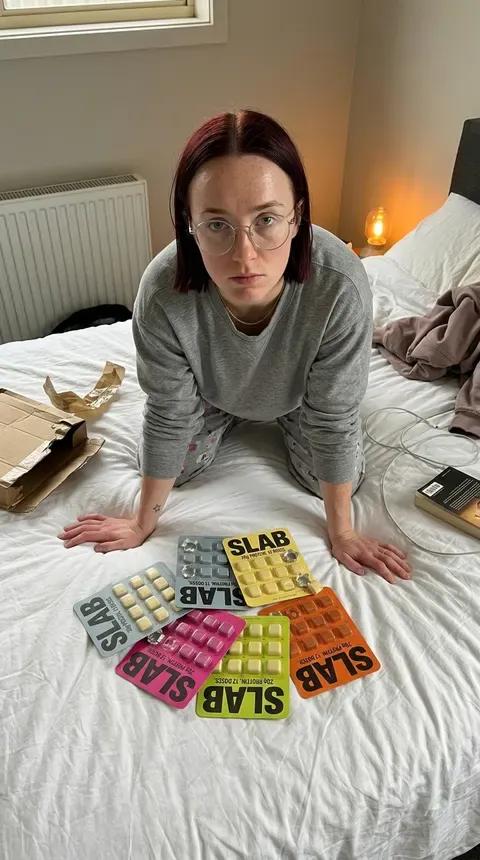
Protein blocks in a blister tray
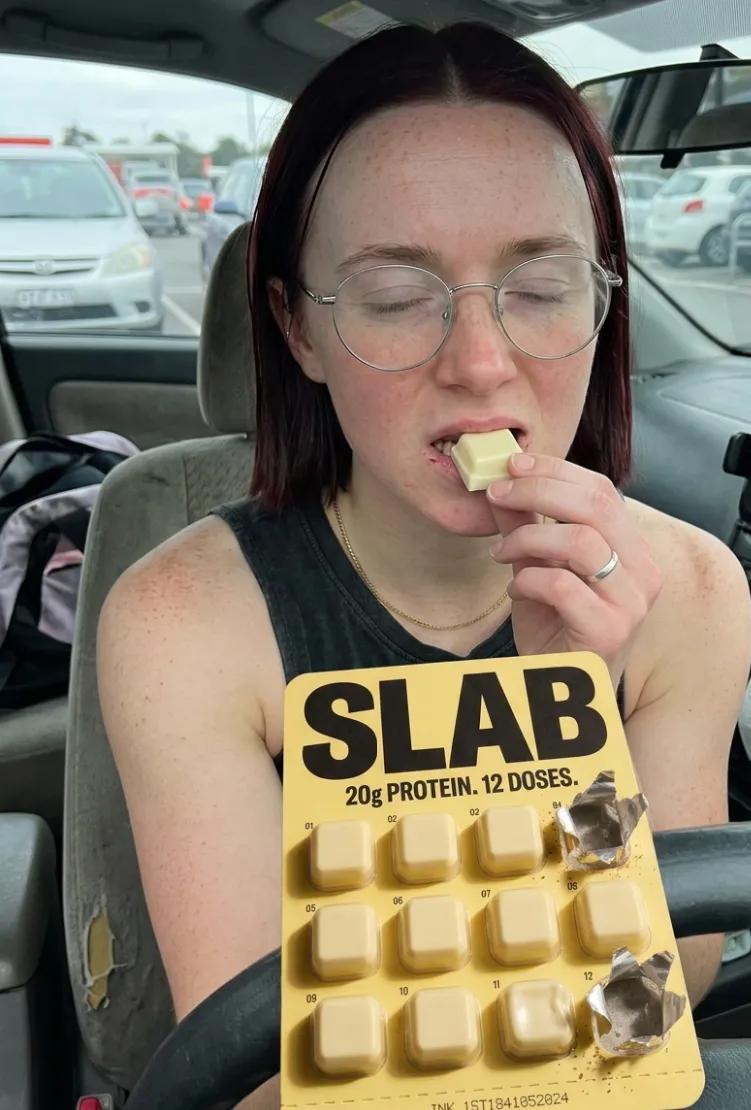
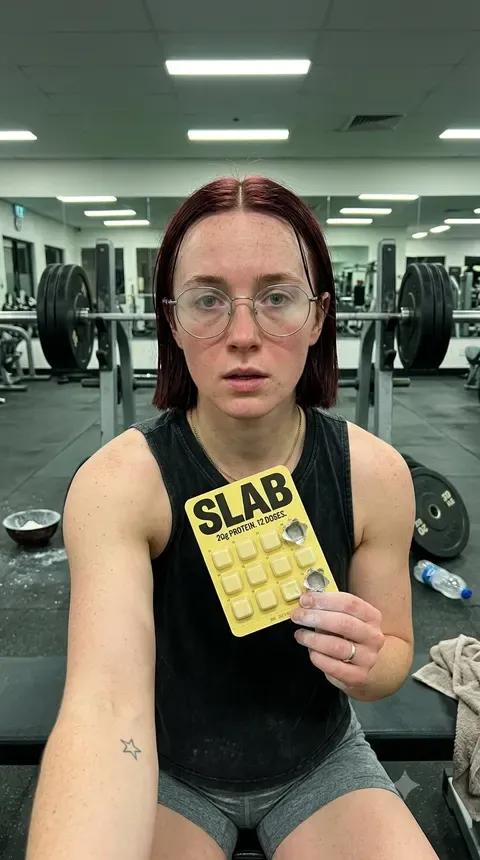
A pack claim that has to stay readable, and two people in one frame
The pack is a pill tray with twelve protein blocks in it and a claim printed on the card: twenty grams of protein, twelve doses. A claim on a pack is the one thing a model will happily invent, so the claim gate applies here as hard as the label gate. The creator frames put two faces and four hands in the same shot, which is where most generated sets fall over.


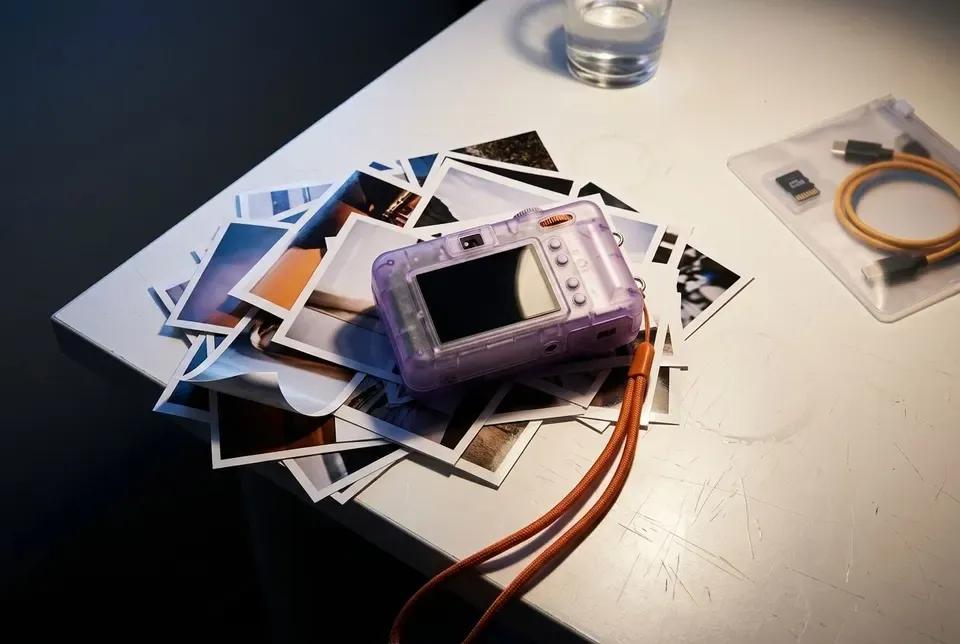
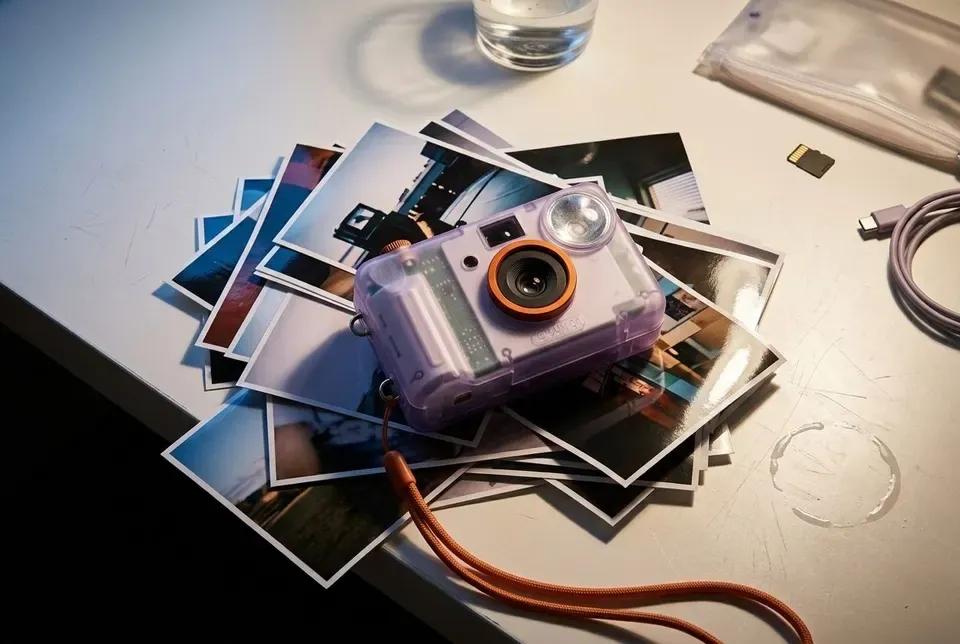
GRAIN 01
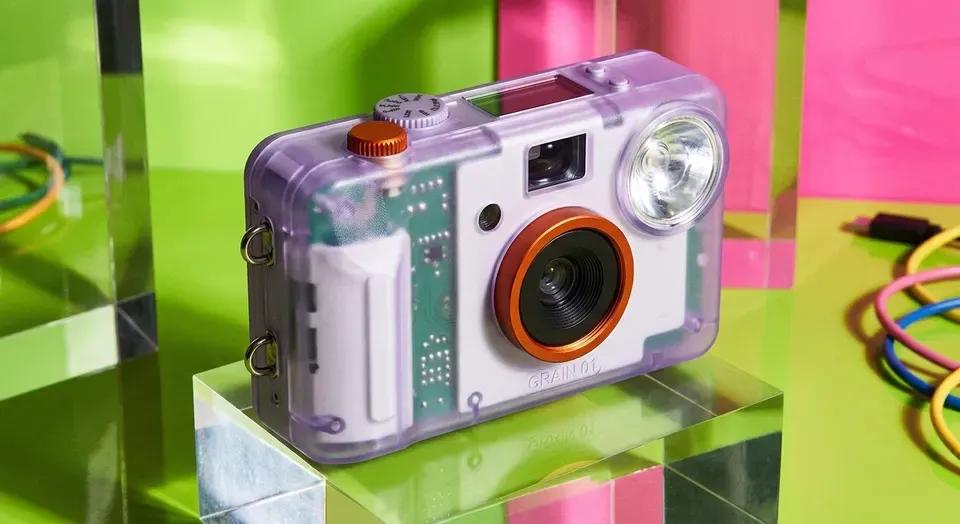
Compact digital camera
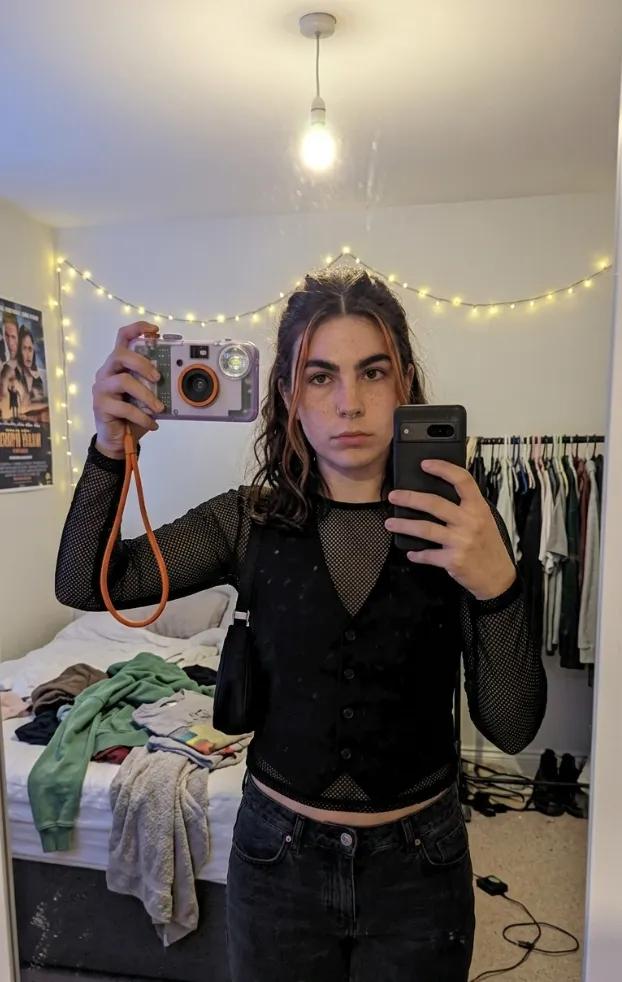
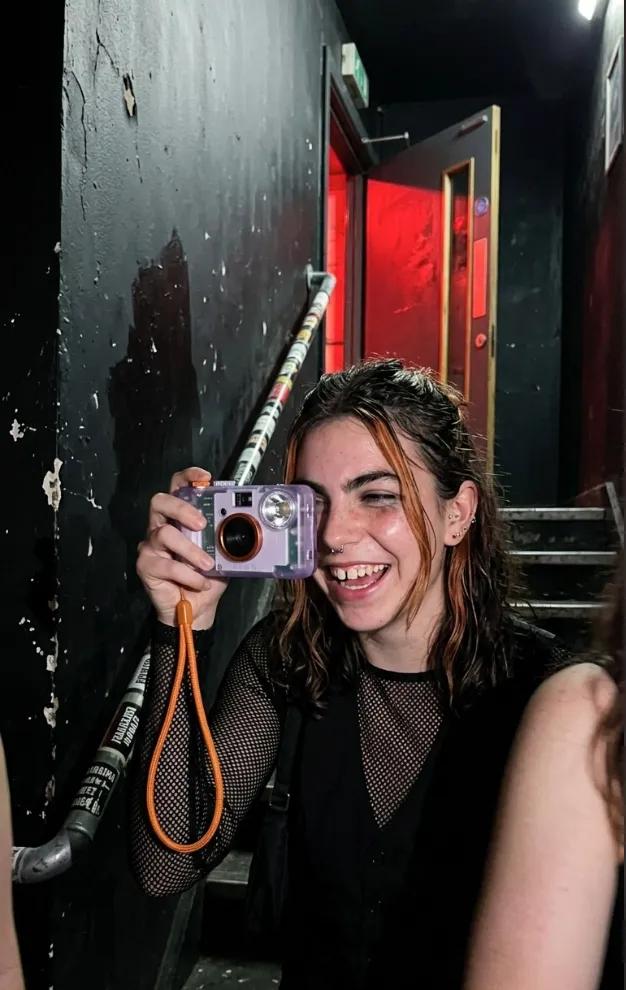
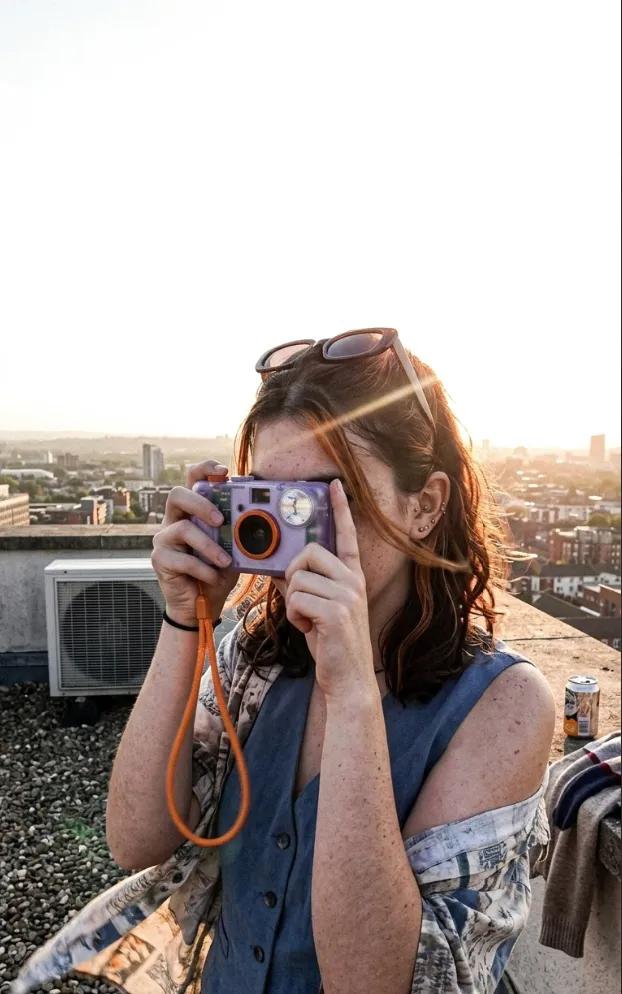
One face across three light sources: a bedroom, a club and a rooftop at sunset
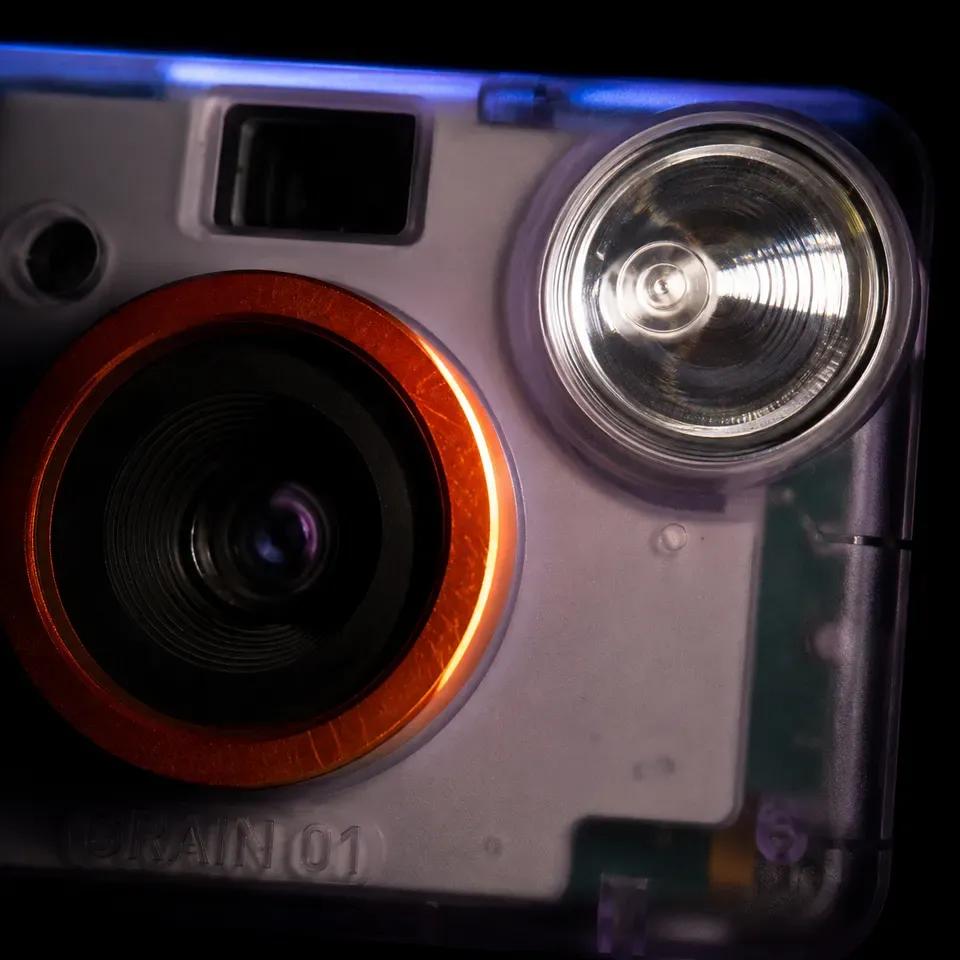
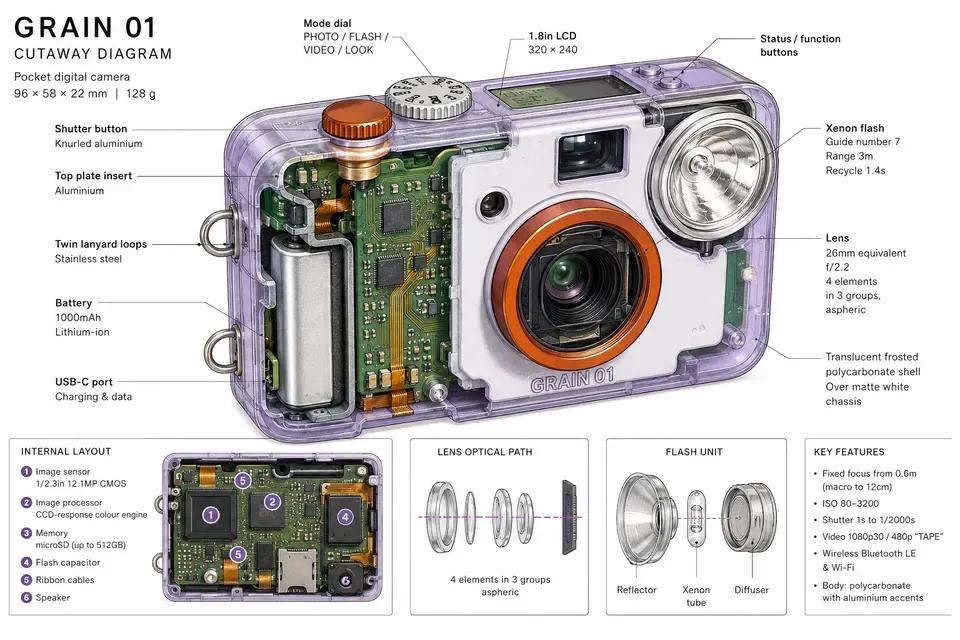
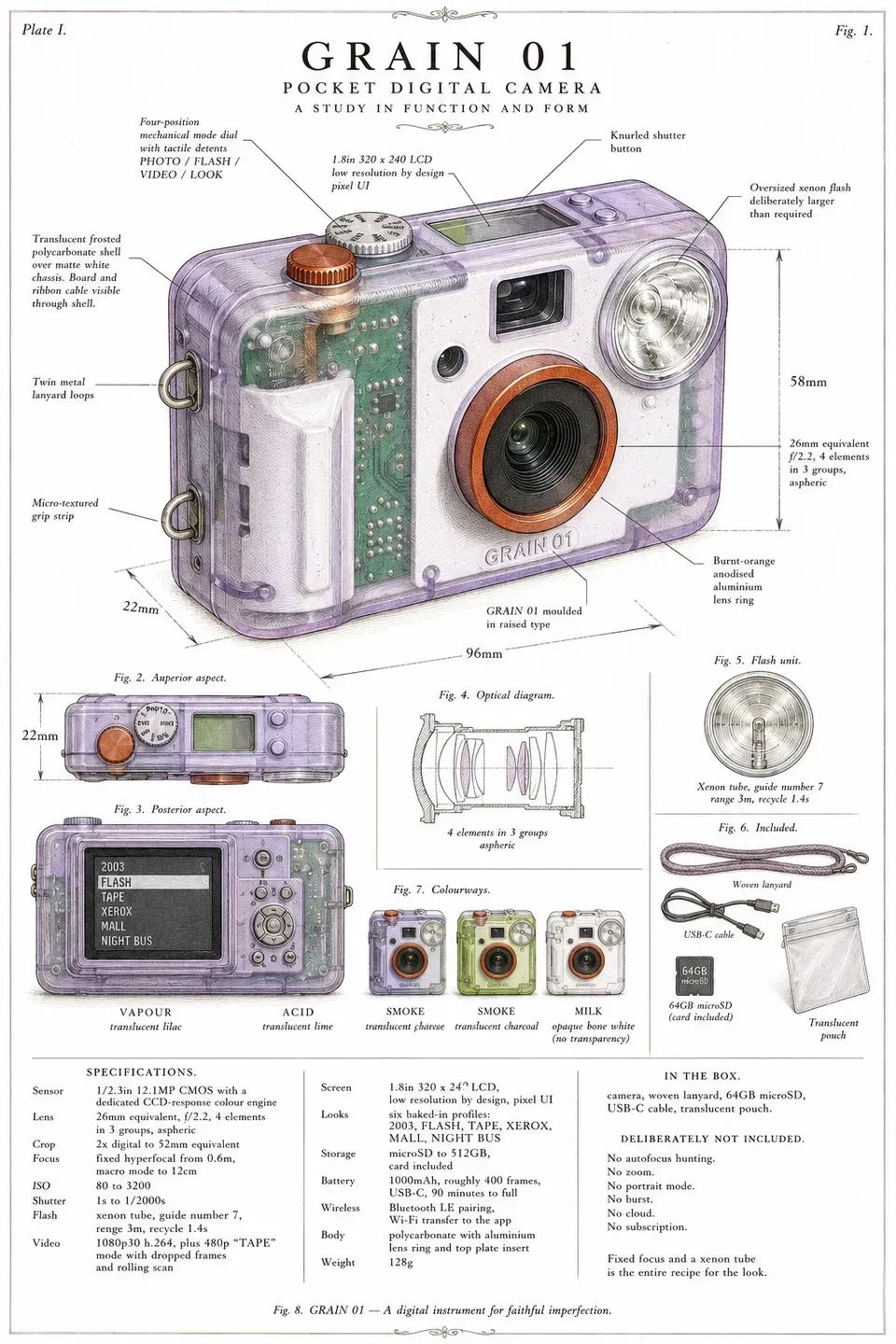
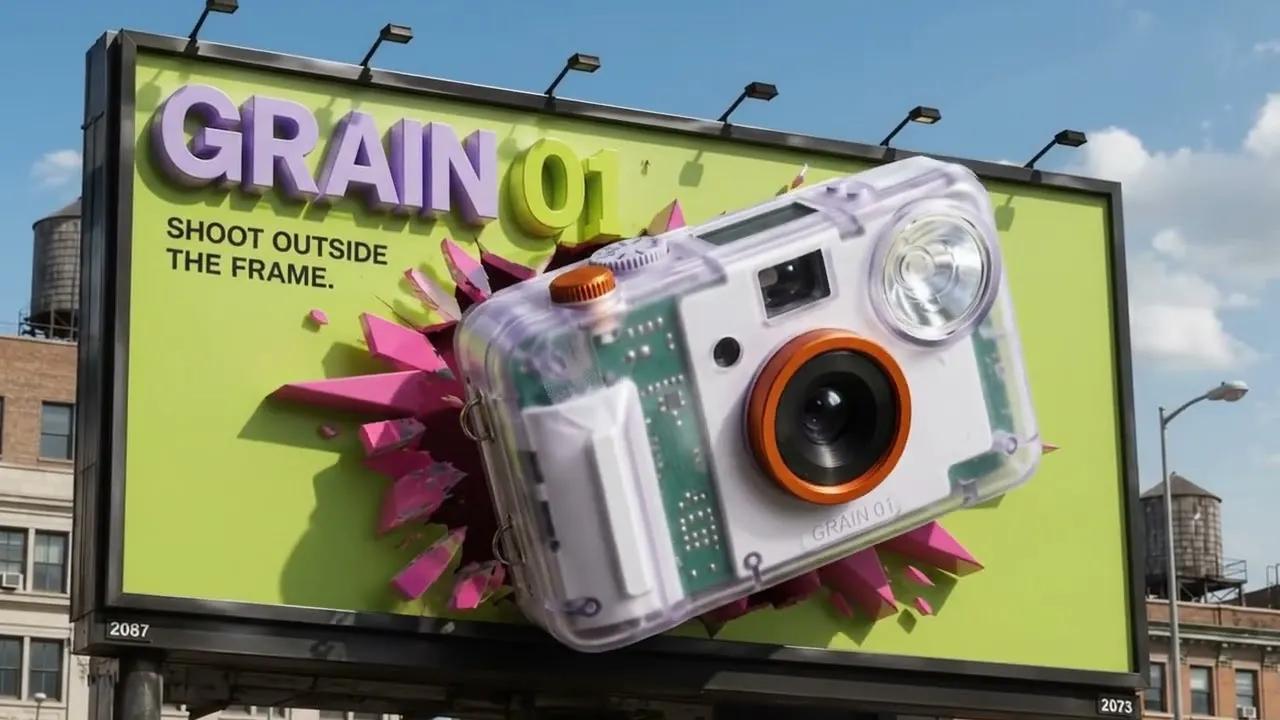
This set exists to test drift. The same creator appears in warm string lights, in red club light with a flash, and in low sun on a roof. Nothing about the face is allowed to move between them, and the camera she is holding has to stay the same object in all three. Stack the frames, flick through at speed, and the jaw is where a fail shows first. The billboard puts the camera itself through the same test in daylight: a translucent body with a visible board, battery and lens barrel, breaking the edge of a flat surface with nothing to hide the seam.
The camera coming through the board in daylight, which is the unforgiving version: no night city to hide the seam, and a translucent body with a visible circuit board and lens barrel that has to stay the same object as it crosses the edge. Watch on YouTube ↗
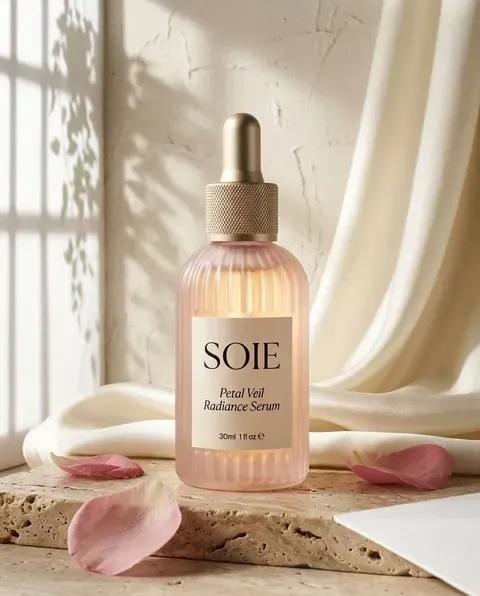
SOIE
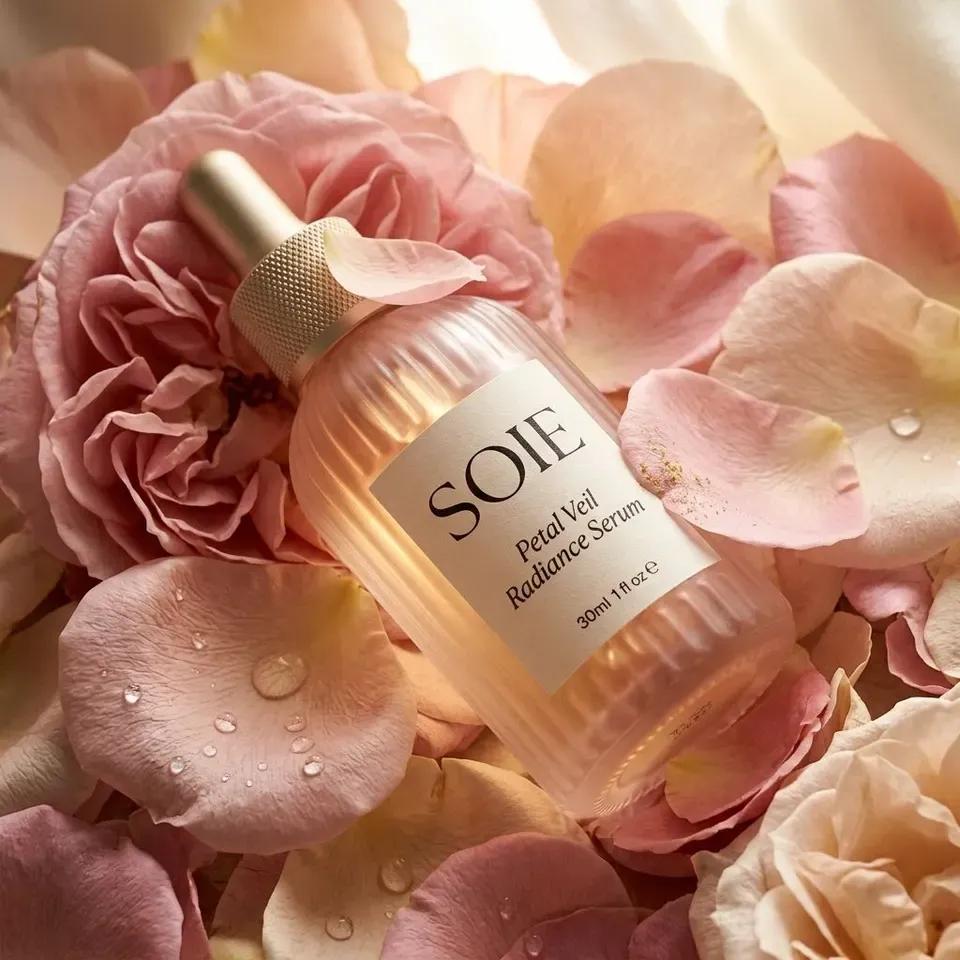
Petal Veil Radiance Serum, 30ml
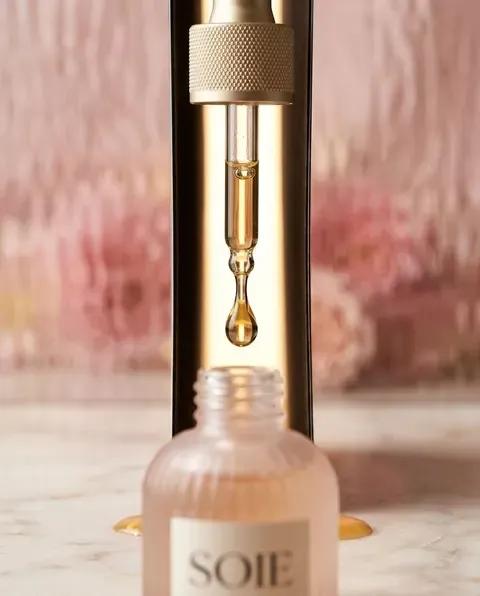
Frosted glass with liquid behind it, and a drop caught on its way out of the pipette
Beauty is the hardest surface on this shelf and the one where a generated frame is spotted fastest, because the audience for it looks at product photography all day. Three things have to hold at once: ribbed frosted glass that reads as glass and never as plastic, the serum behind it staying the same colour and level in every frame, and a knurled metal cap whose milling does not reinvent itself between shots. The macro exists to prove the last one: a single drop, held on the pipette, with the ribbing visible through the liquid behind it.
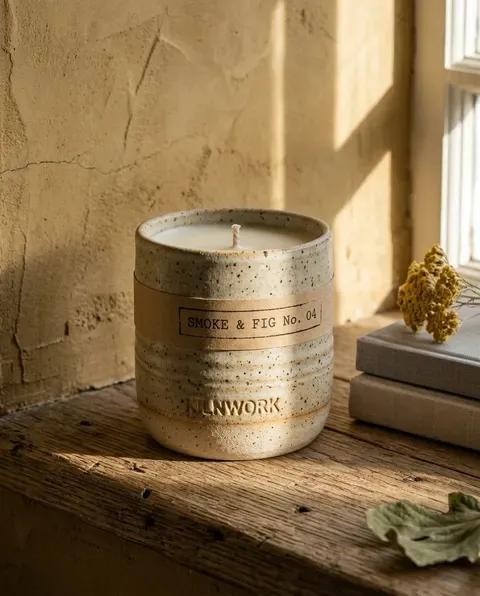
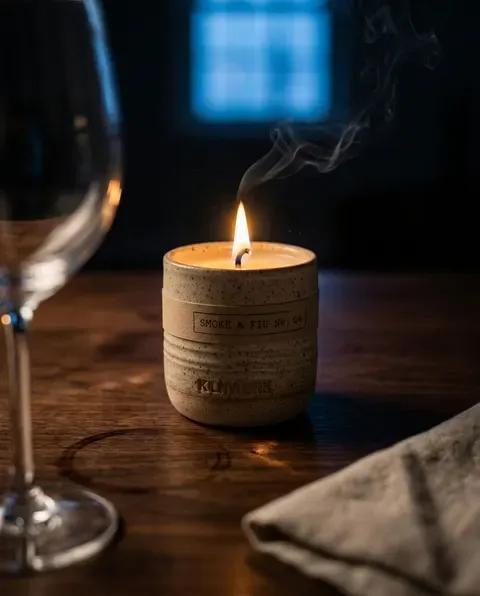
KLNWORK
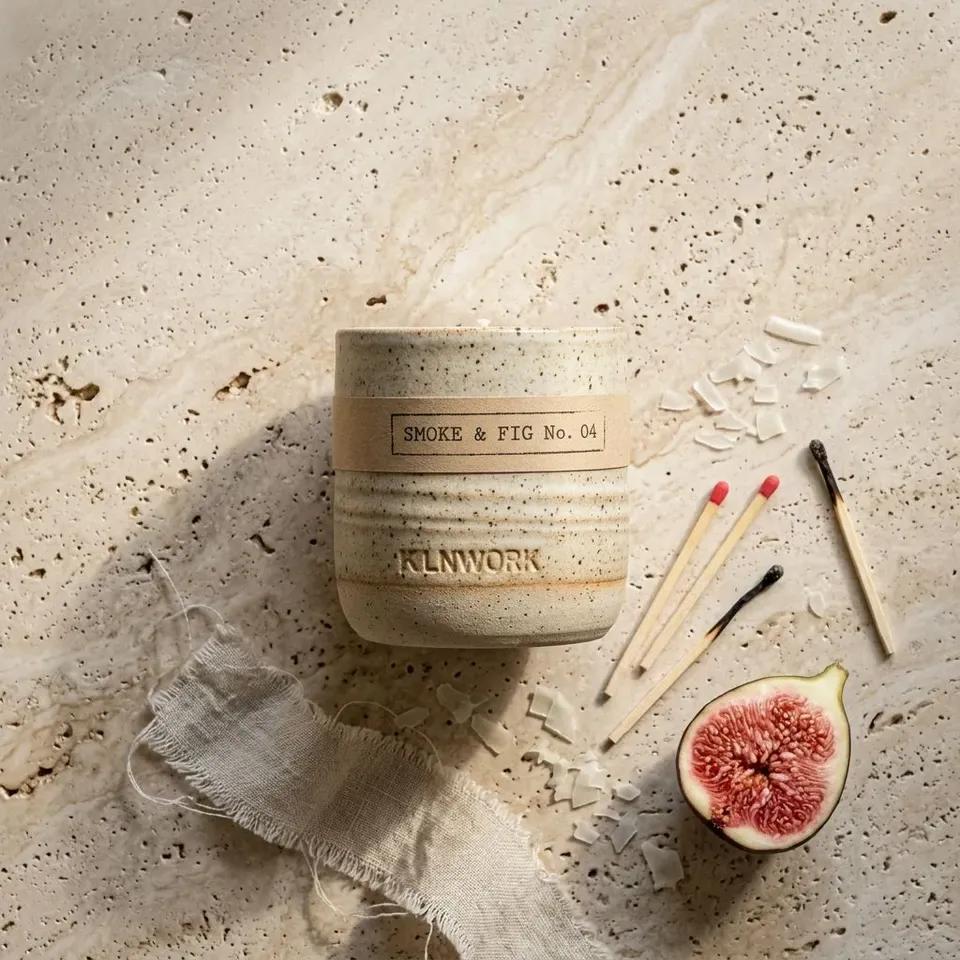
Smoke & Fig No. 04, ceramic candle
Stamped type on a fired glaze, and a live flame across three different rooms
Two hard problems in one object. The first is the vessel: a speckled stoneware glaze with the maker name pressed into the clay, which means the letters have to catch light as depth instead of sitting on the surface as ink. The second is the flame. A lit wick is the fastest way to expose a generated frame, because the light it throws has to agree with everything it falls on. The dark frame exists for that: one flame, one smoke trail, and every reflection in the glass beside it lining up with the source.
Are these real brands?
No. Every brand on this page is invented. Nobody commissioned any of it, nobody paid for it, and none of these products exist. Every one is labelled Concept Project, and nothing here is presented as commissioned work.
Why show work nobody paid for?
Because each set is a control experiment with a stated test. A spec shelf that does not say what it was proving is a showreel. One that does is evidence.
Can AI product photography hold a real label?
Yes, when the packaging is locked as a master plate first and every frame is generated from that file. The test is literal: zoom to full resolution and read every printed word. A fail returns to the plate. No retouching tool touches it.
Point this at something that exists.
These sets were built to prove the controls. Point them at something that exists and the same discipline applies, with your kitchen or your packaging team holding the last gate.