

STORYSYSTEMSPHILOSOPHY
The Machine in The Museum
The philosophy of GenAI art begins with authorship, then walks straight into the archive.
17 Sept 2026 · 6 min→
Posts on the parts of this job that cost money: model choice, disclosure law, keeping a product consistent across a hundred shots, and the week creative automation gives back. Working notes, written on the way out of a job.
The philosophy of GenAI art begins with authorship, then walks straight into the archive.
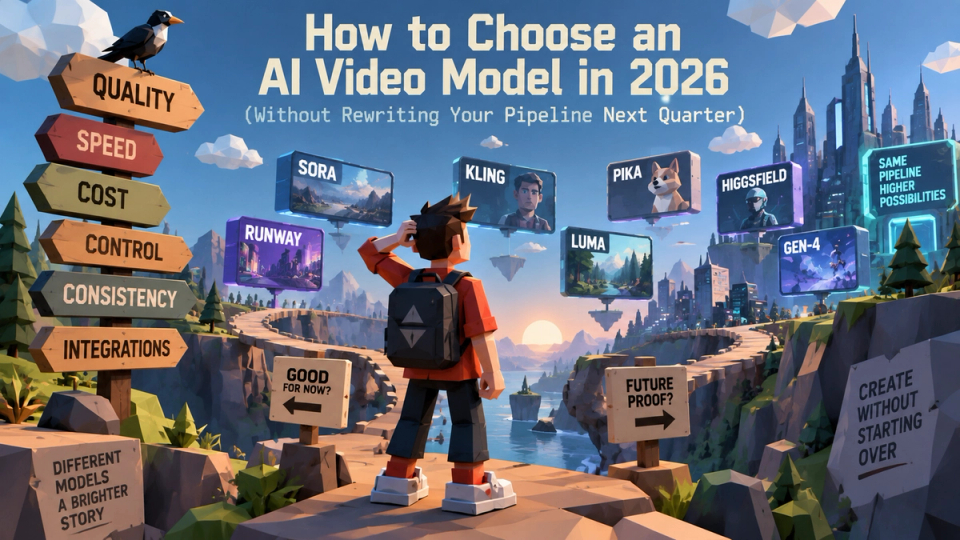
Everyone asks which model is best. The useful question is which one your pipeline can survive being wrong about.
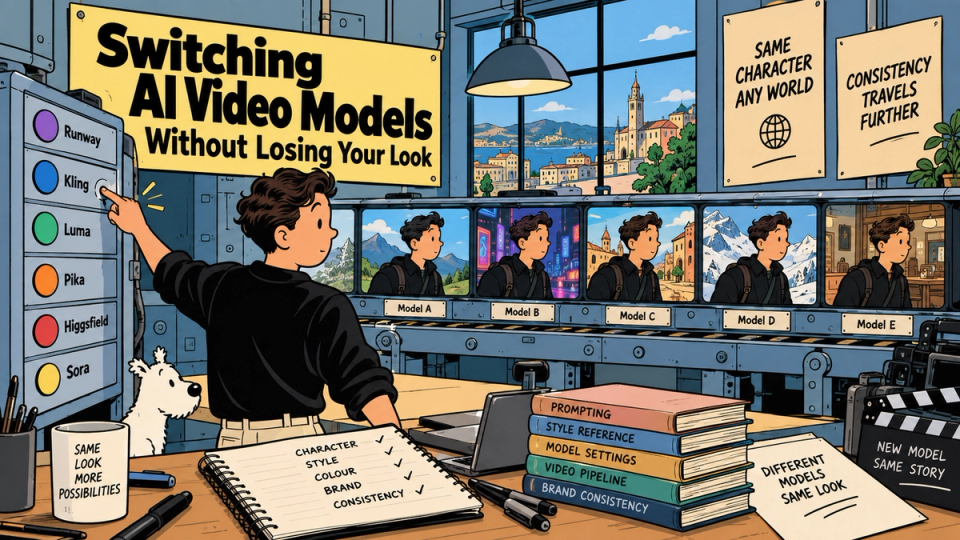
A model change is a re-grade. Treat it as a re-render and you will pay for the campaign twice.

The transparency obligations landed on 2 August 2026. Most advertisers running paid social in Europe are inside them and have not changed anything.
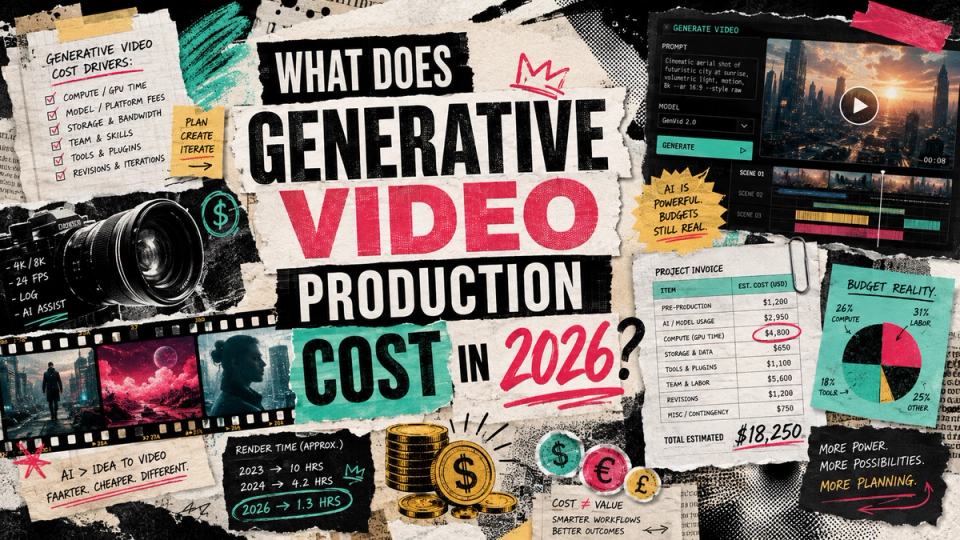
Model credits are pennies a second and studio engagements run into five figures. Both numbers are true. Here is what sits between them and which one applies to your brief.
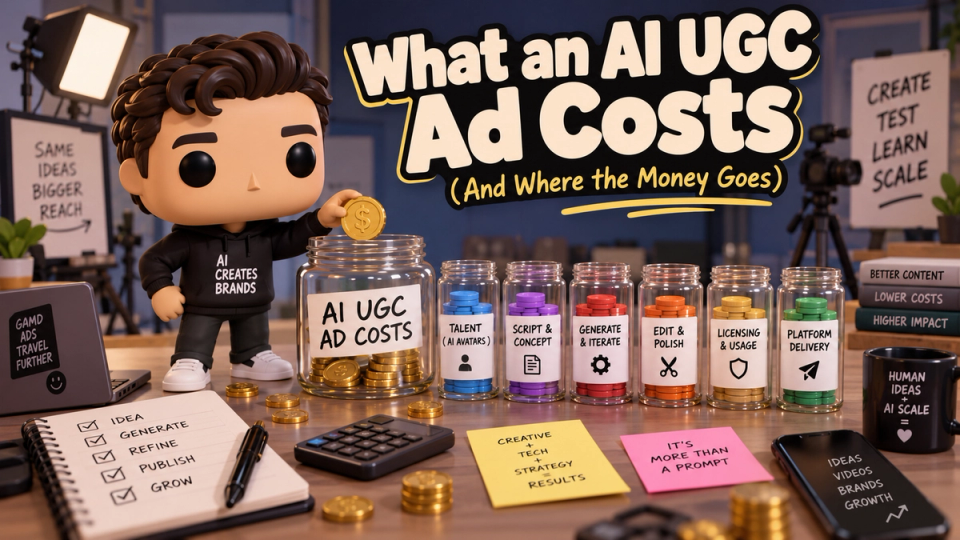
The generation is the cheap part. The script, the consent and the review are the invoice.
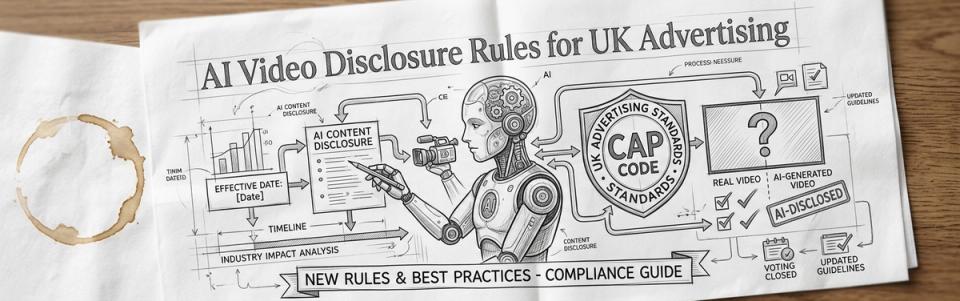
What the CAP Code requires, where the platforms go further, and the practical rule we apply on every asset we ship.
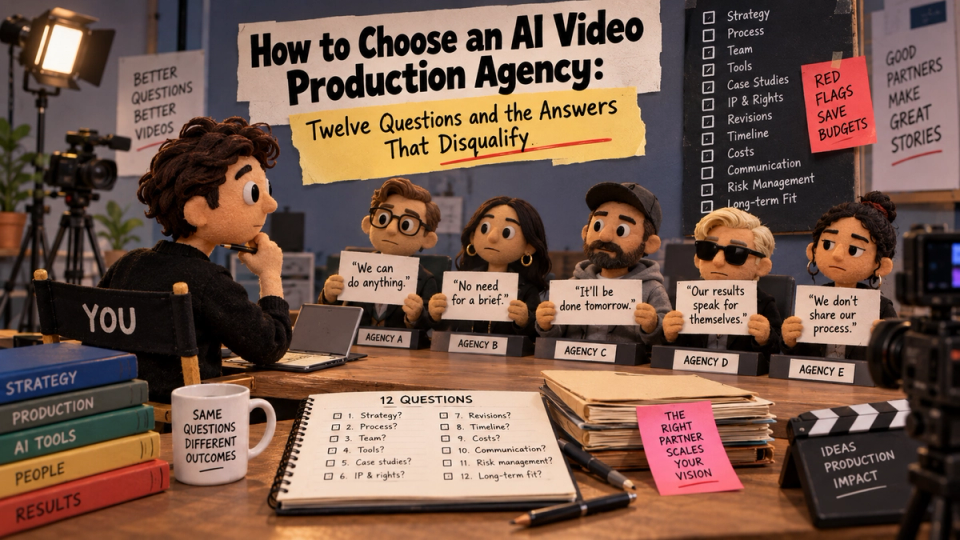
Everybody has a showreel. Ask what got cut from it and how many renders it took.

The single technique that separates a product set that holds from one that quietly falls apart by shot forty. It is not a prompt.
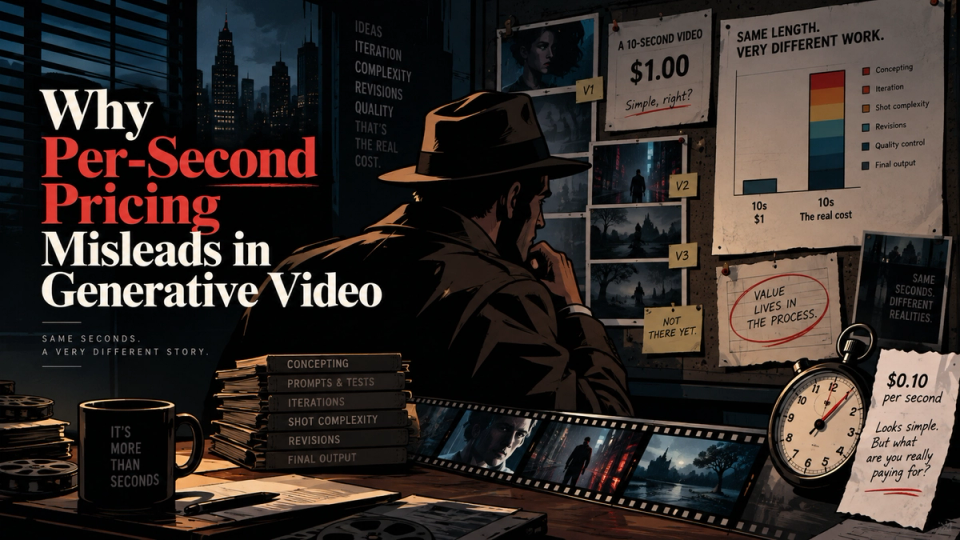
The rate card is real. It is also about a tenth of the number you will spend, and the gap is arithmetic. Nobody is lying to you.
Execution used to cost money. Now every frame is something somebody has to defend.

A creator-style ad with a face that does not exist is a different legal object from one with a face that does. Both need paperwork, and they need different paperwork.
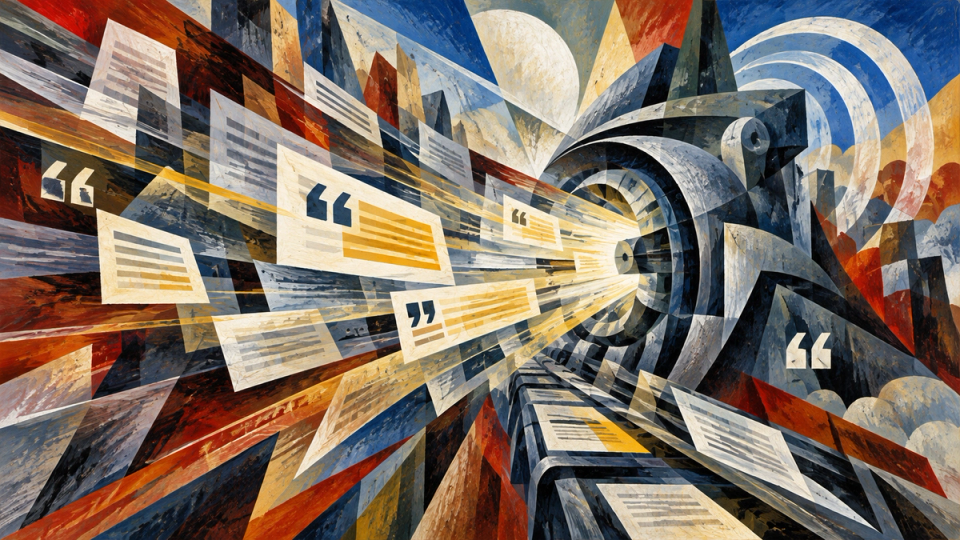
Search used to reward the page that ranked. Answer engines reward the source that can be quoted, and those are different documents.

Shot one is easy. Shot one hundred is the job. This is the method, including the numbers we plan against.
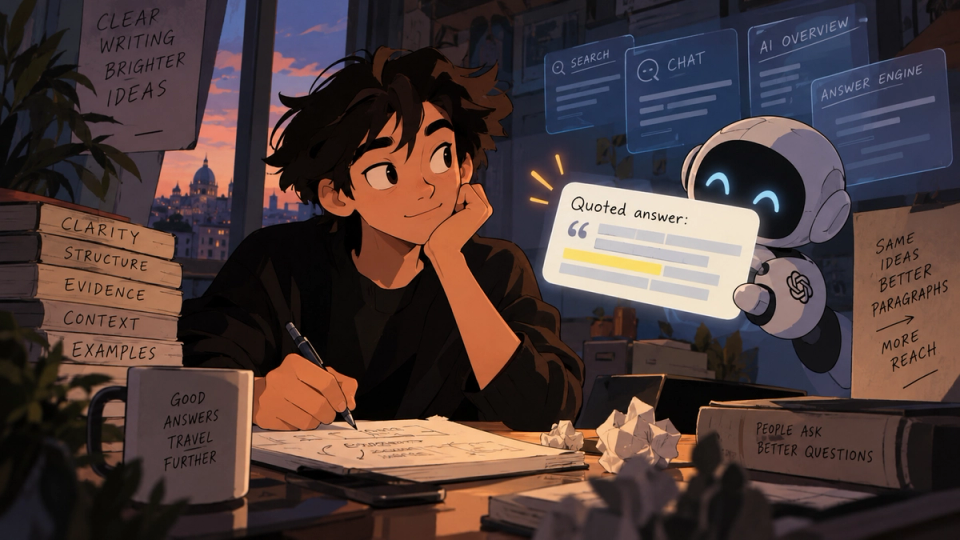
Most pages fail citation at the sentence level. Here is what the sentences have to do.
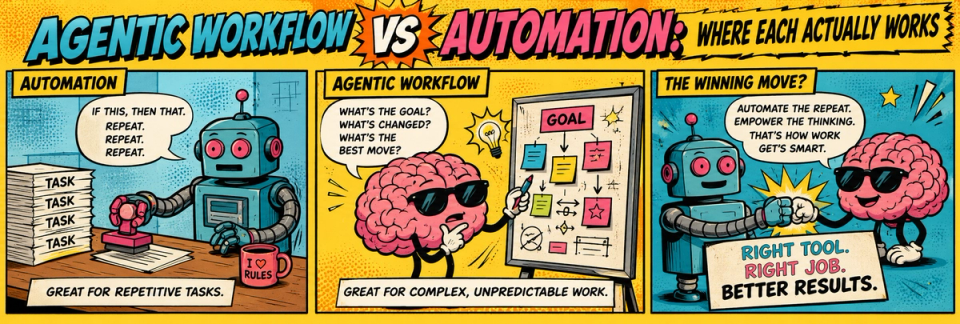
Not a maturity ladder. Two different tools, and using the wrong one is expensive in two entirely different ways.
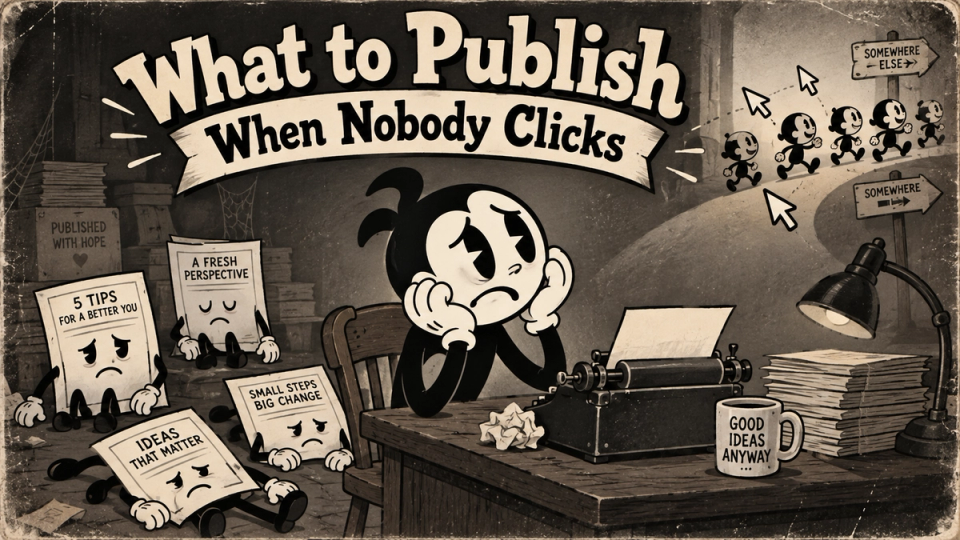
Traffic was always a proxy. The proxy broke; the thing it was measuring did not.

The metric that makes generative production explainable to the person who signs the invoice, and the arithmetic behind it.
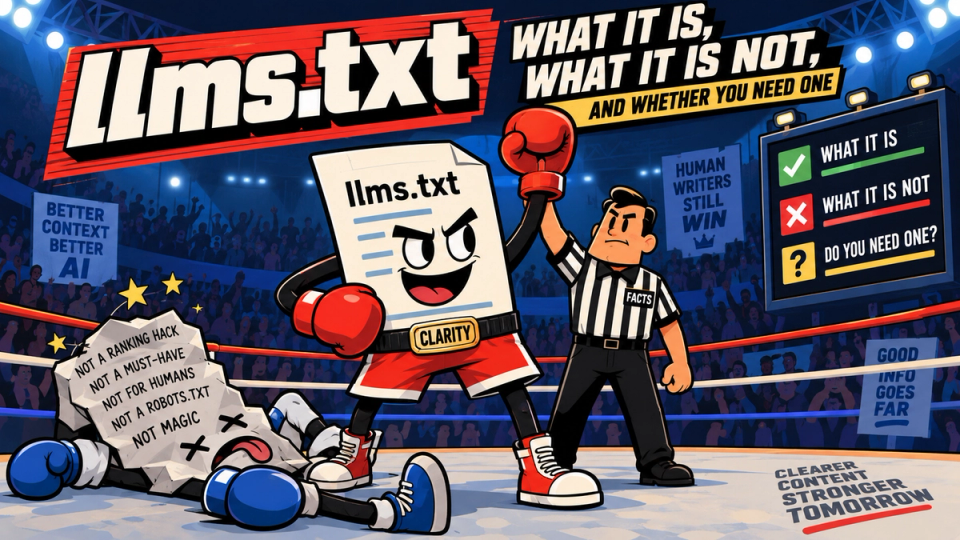
A proposed convention with modest adoption and a real second use. Worth an hour of your time.
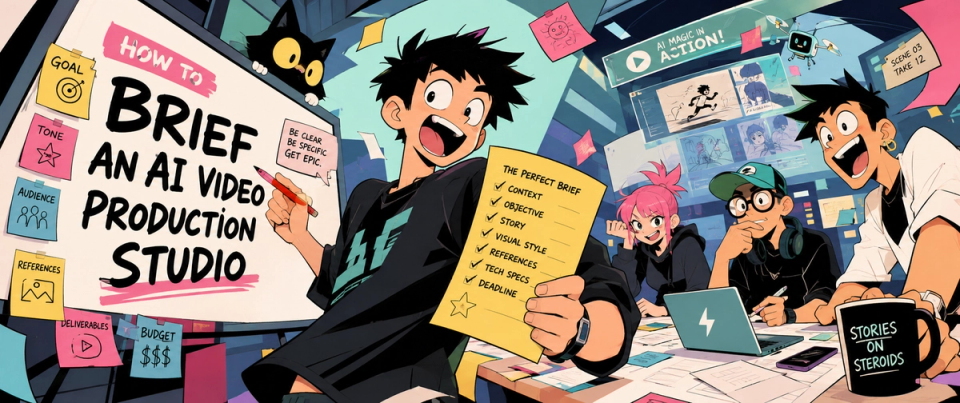
Most generative briefs fail on the same missing paragraph. Here is what to put in one, and what a studio should ask you back.
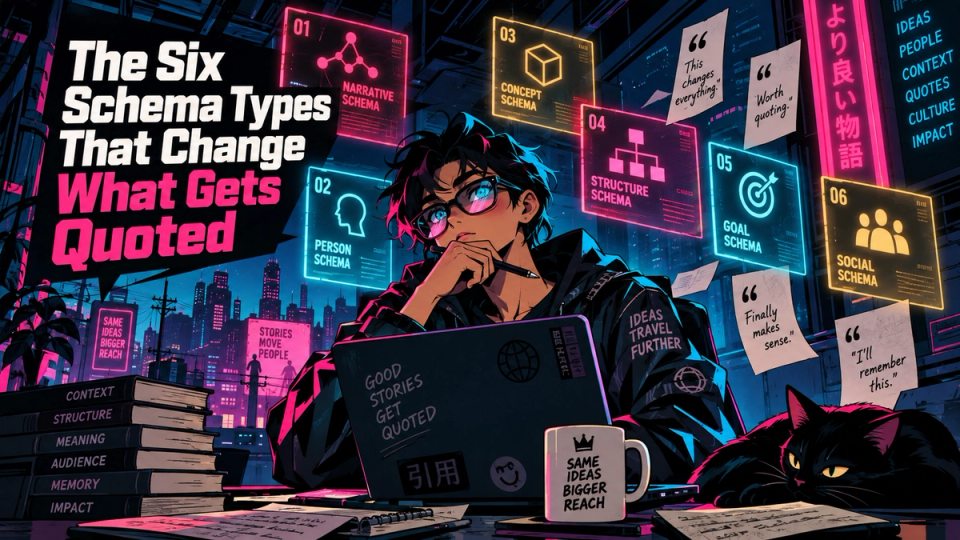
Schema does not make a claim true. It removes the question of what the claim is, which turns out to be the whole job.
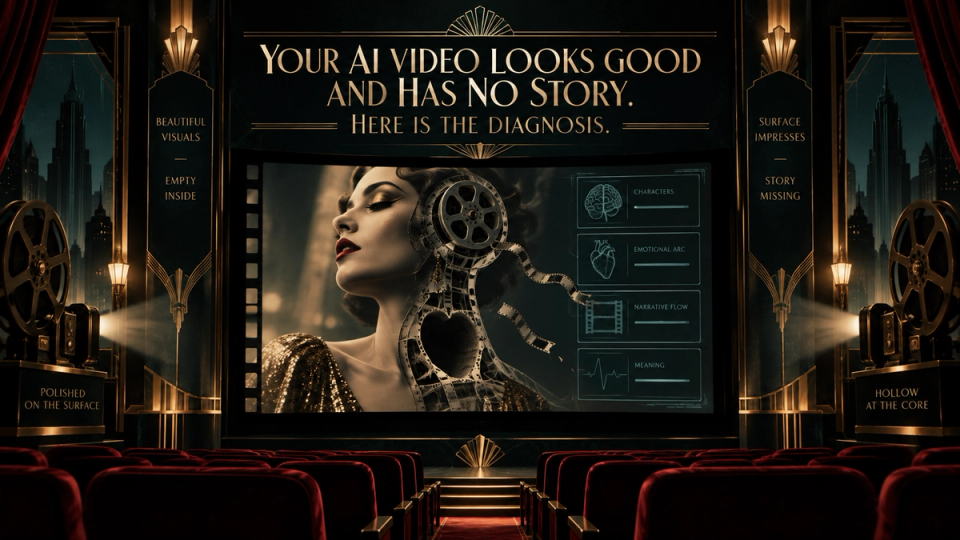
Nobody has ever watched a film for the render quality. The tools got better at the part that was never the problem.
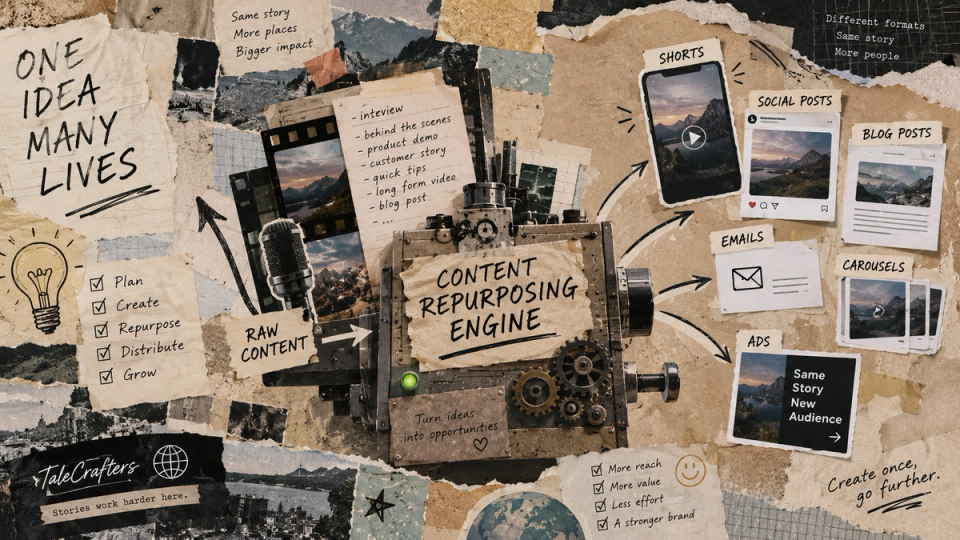
Repurposing fails when nine assets turn out to be the same asset nine times. The fix is structural.
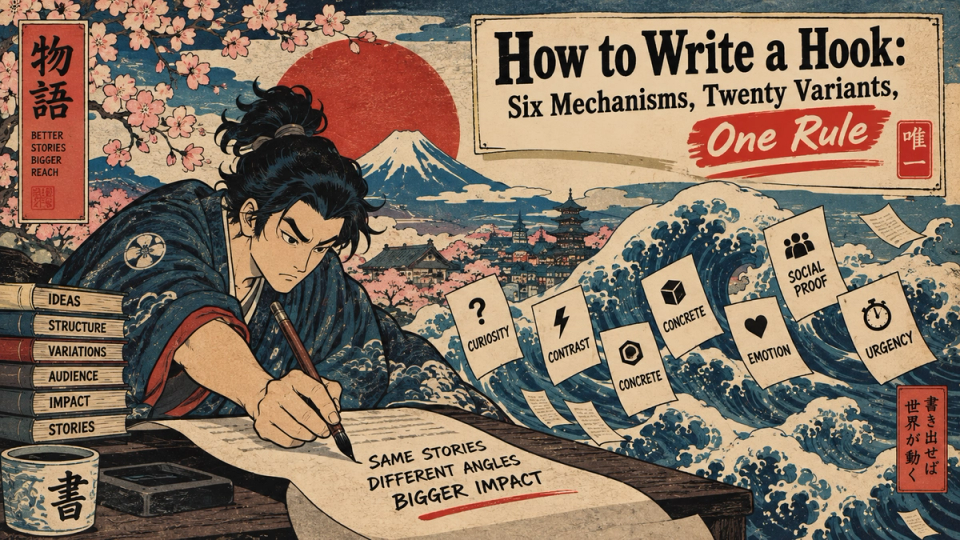
Asking for twenty punchy openings gets you one sentence twenty ways. Asking for six mechanisms gets you six openings that differ in kind.

The shape does not change at thirty seconds. The tolerance does: one beat per act, and the complication is the one everybody deletes.
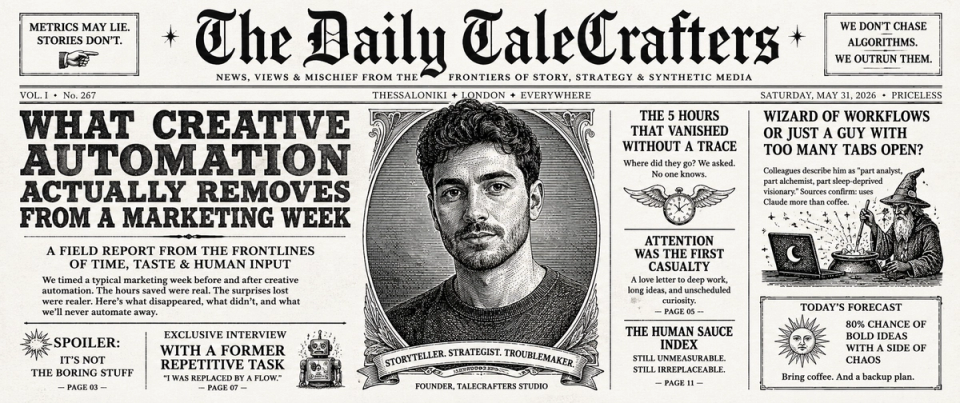
The hours automation removes are not the ones anybody expects. They are also not the ones any vendor demo shows you.
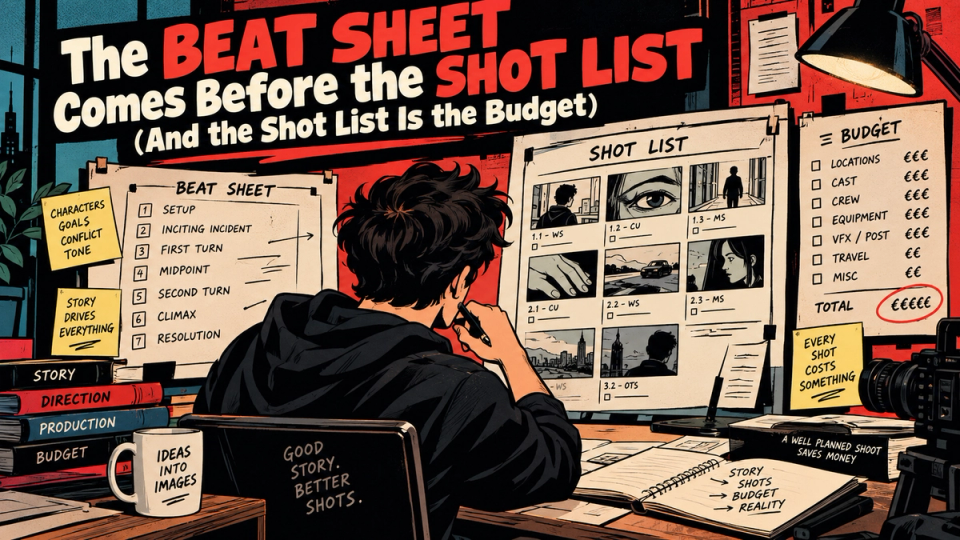
A beat is free to change. A shot is not. Almost every overrun we have seen started as a structural decision made after the rendering began.
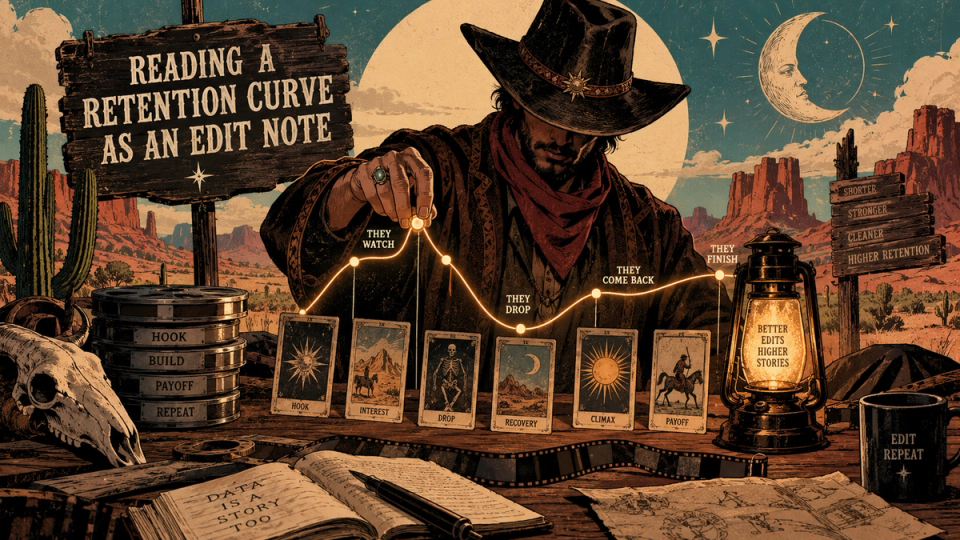
It is the only editorial feedback in video that is not an opinion. Most teams look at the wrong number on it.
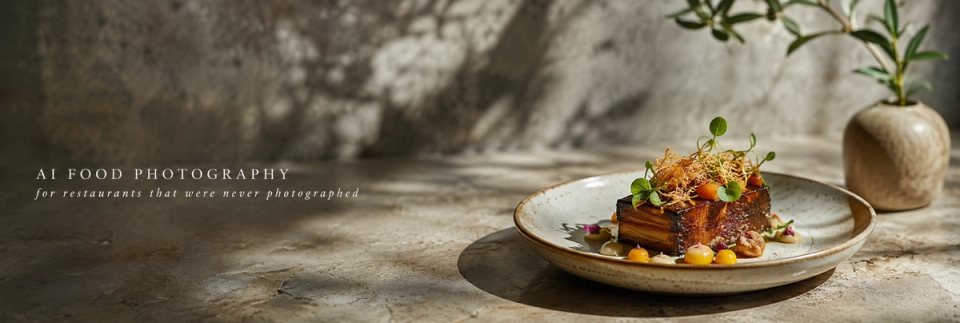
A menu with no pictures, out of season, no shoot window and no budget. This is the brief generative production handles best.
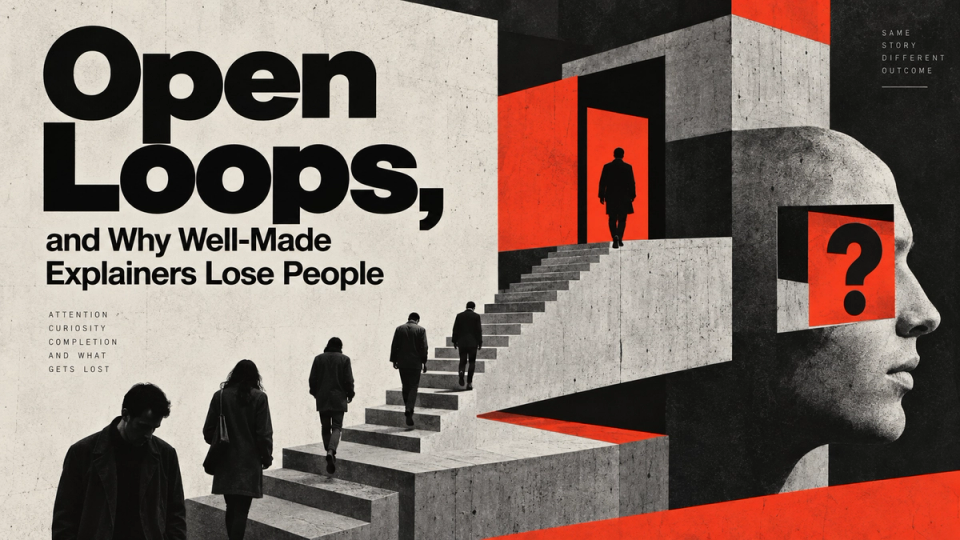
Clarity and completeness are not the same thing. Answering everything as you go is the most polite way to lose an audience.

A board used to be a drawing everyone knew was a drawing. Now it is a photograph of a film that does not exist.
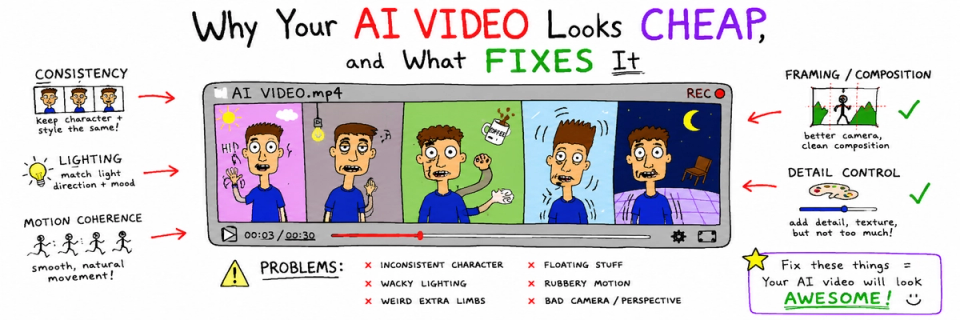
Audiences cannot name what is wrong with most generative video. They can tell. Here are the nine things they are reacting to.
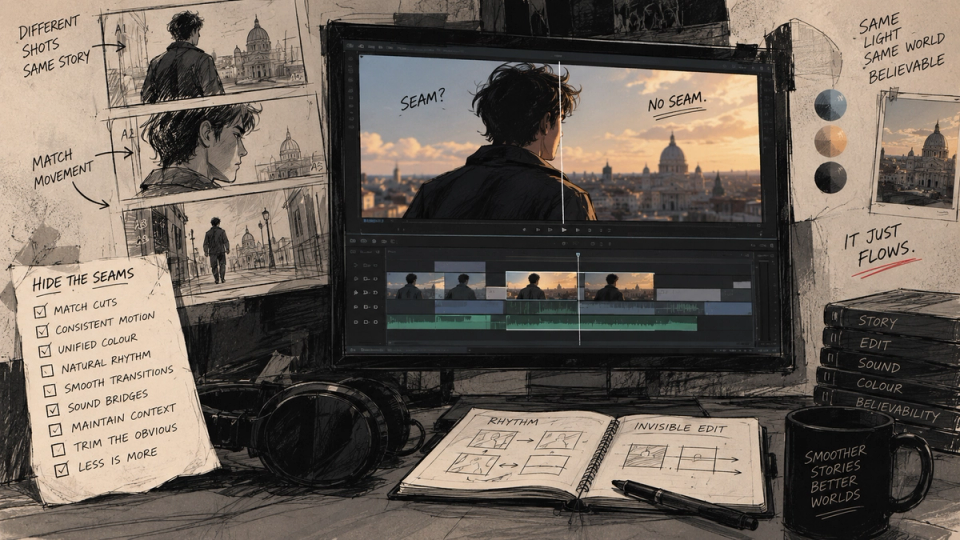
Editing was always the craft that made shots into a sequence. It matters more now, because generated shots arrive with almost nothing in common.

A face that changes between assets is not a presenter, it is a series of strangers reading the same script.

The right method depends almost entirely on how many assets the face has to survive. Below nine, one answer. Above nine, a different one.
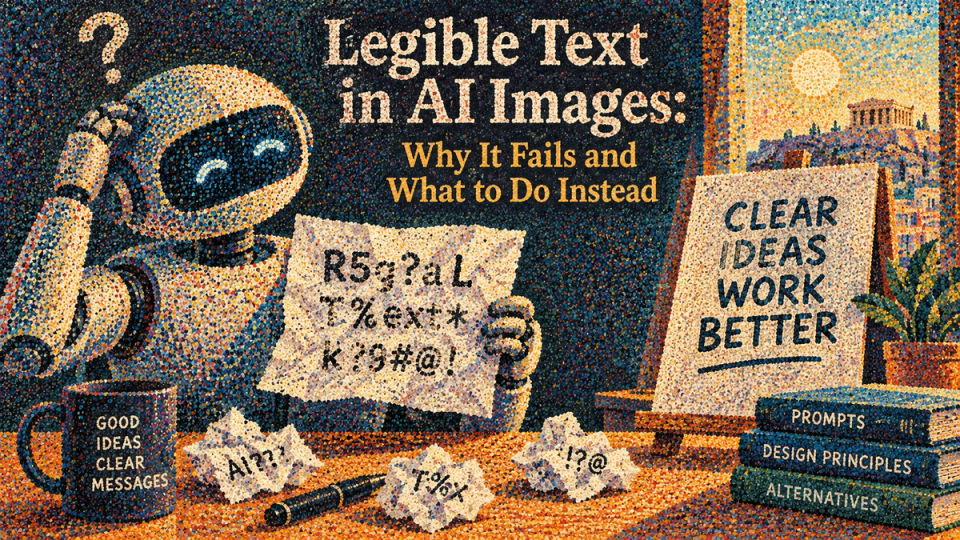
A wrong word on a label is a legal problem, and there is no partial credit.
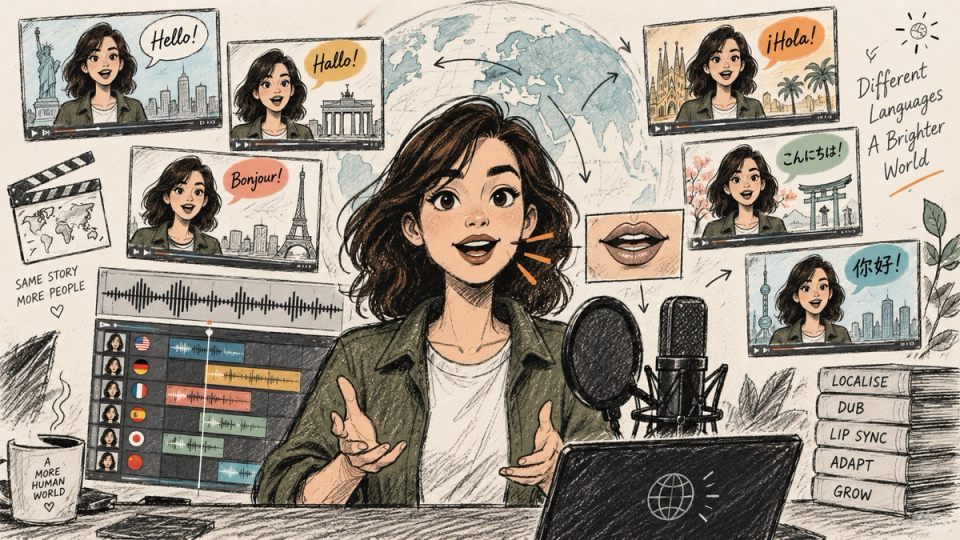
Translating the words is the easy tenth. The performance and the mouth are the rest.

The limitation is real and it is not going away this year. The good news is that cinema solved this problem in 1918.

The technology stopped being the constraint about a year ago. The direction and the paperwork did not.

Photoreal is the default and it is almost never the cheapest, the safest or the most distinctive choice available.

Hands are the hardest object in the frame and the one everybody checks.
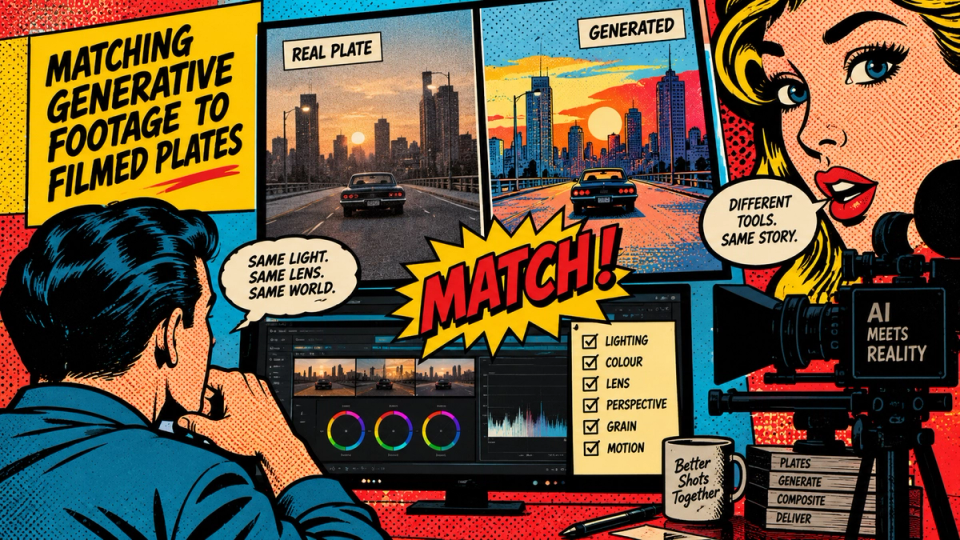
The mismatch is never resolution. It is lens character, black level and how the light falls off, and two of those have to be decided before anybody shoots.

Ninety variants that differ on four axes at once produce a winner and no knowledge. The winner is not the point.
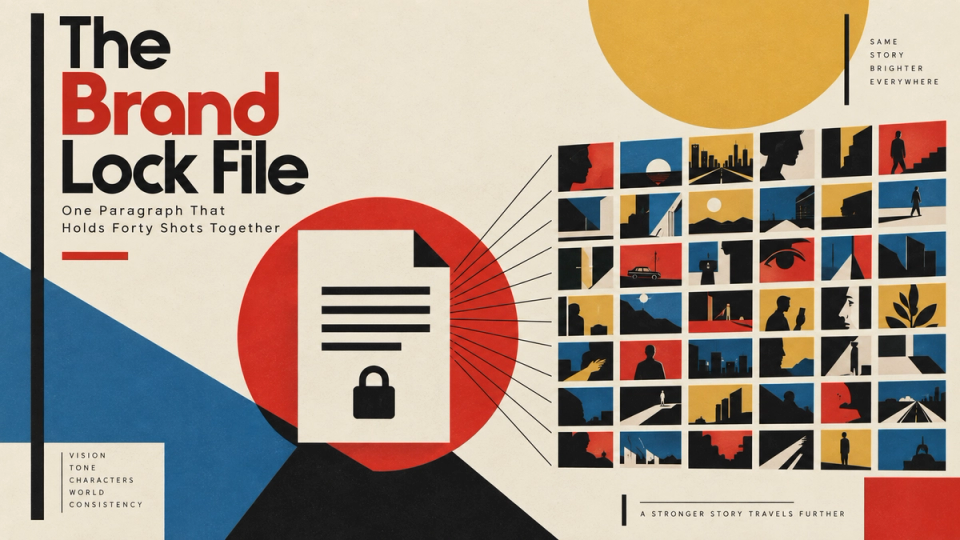
Brand guidelines describe a look to a person. A lock file states it to a machine, identically, four hundred times.

Everybody wants to automate the writing. The writing is the part with judgement in it. Automate the renaming.
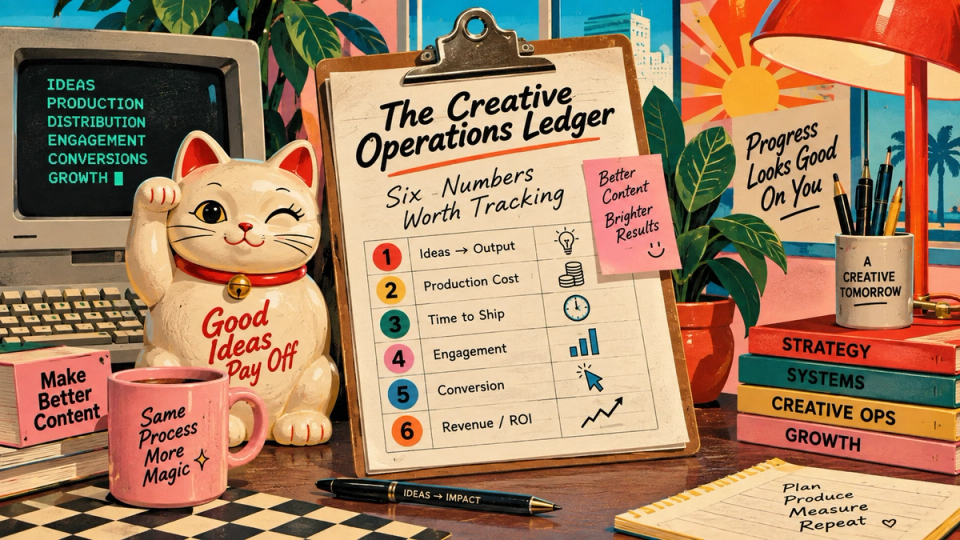
Volume measures how much you spent.
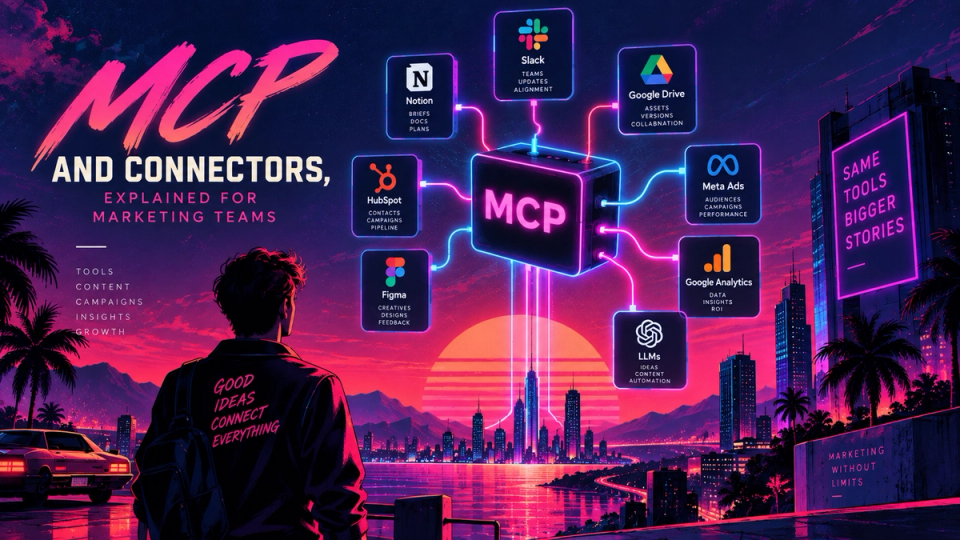
A model that can read your brief system and write to your asset library is doing a different job from one you paste into.
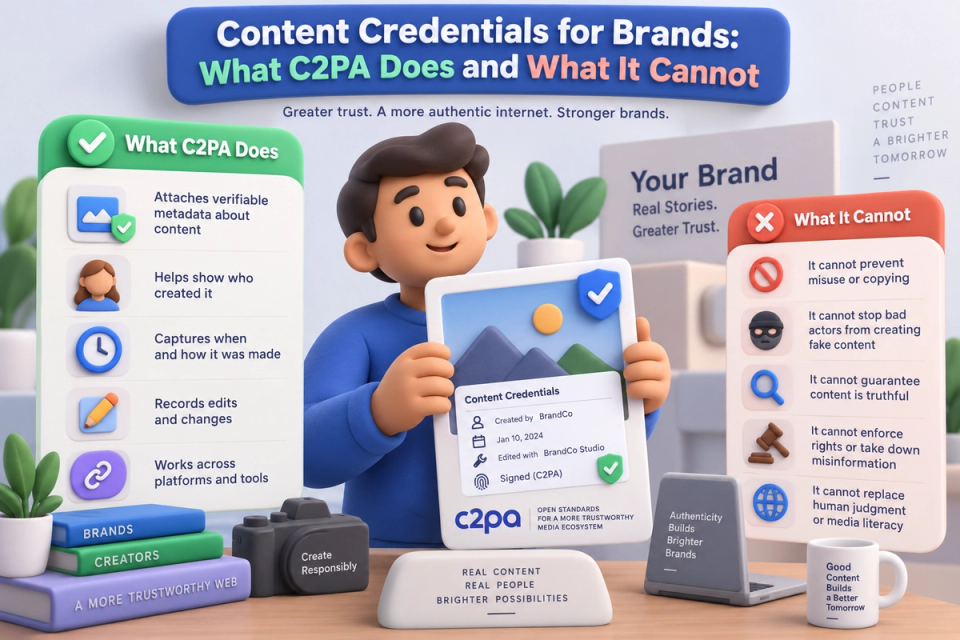
Provenance is becoming a procurement question. It cannot be retrofitted onto a finished cut.

The interesting question is what your contract says when copyright does not subsist.
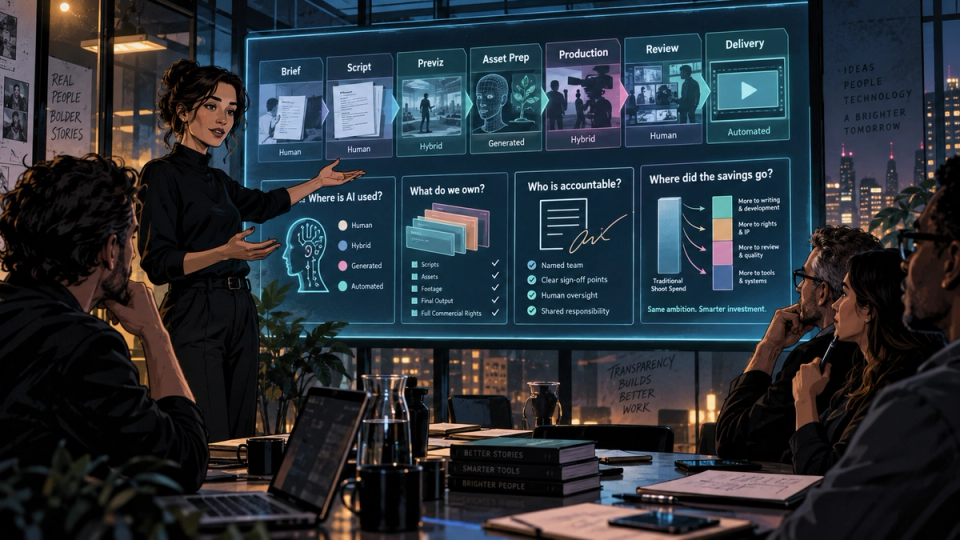
The question is no longer whether you use it. It is who benefits from the efficiency, and clients have started asking it directly.

We examine why most brands end up looking interchangeable, tracing the problem to over-reliance on templates, trend-chasing, design-by-committee culture, and a fundamental confusion between "clean" and "memorable." We offer a strategic framework for reclaiming visual distinctiveness through controlled creative risk, story-first design, and the courage to let your brand have an actual personality.

Today we dissect the collapse of "authenticity" as a meaningful brand differentiator, arguing that universal adoption of the concept has rendered it invisible. It traces how authenticity became a performance, why audiences now detect manufactured vulnerability instantly, and what comes after the authenticity era. Positioned as a strategic guide for brands ready to replace the authenticity playbook with something that actually resonates
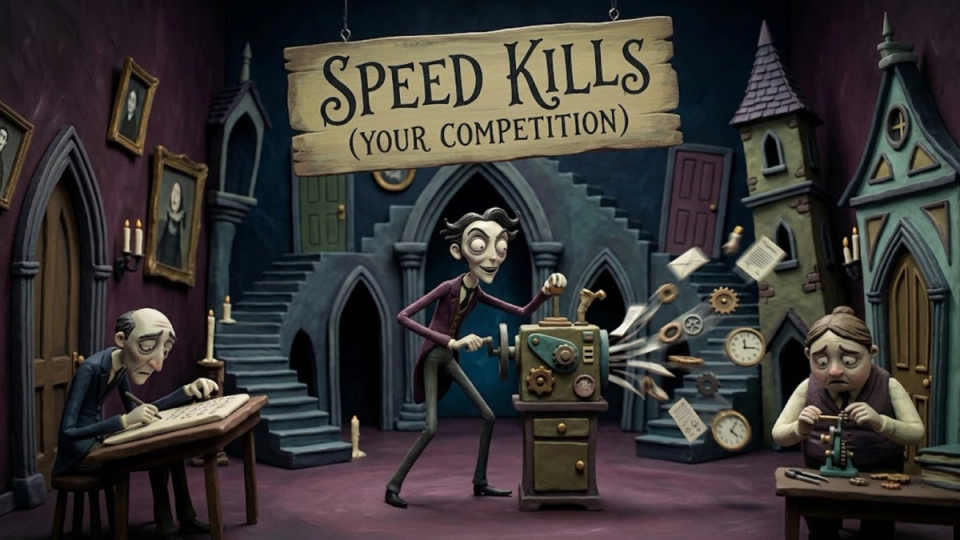
This article breaks down our operational philosophy around speed as a strategic weapon, explaining how the studio eliminated traditional creative bottlenecks through synthetic media workflows, flat decision-making structures, and a bias toward action over deliberation. It positions speed as a compound advantage that reshapes client relationships, creative output, and competitive positioning.

Minimalism has evolved from a deliberate design philosophy into a default setting that breeds visual sameness across industries. In this article we make a strategic and creative case for maximalism as a brand differentiator, exploring how visual density, layered storytelling, and sensory richness create memorable brand experiences in a landscape where white space has become the new beige.

This piece declares the end of content marketing as a viable strategy, arguing that oversaturation has created an "attention recession" where audiences have developed structural immunity to branded content. It traces the collapse from content's golden era through the volume arms race to the current landscape where more content produces diminishing returns. The piece positions narrative engineering and cultural relevance as the successor strategies for brands ready to move beyond the content treadmill.

The creative industry's obsession with tool proficiency has produced a generation of technically skilled operators who lack the aesthetic judgment to produce memorable work. We make the case that taste is the only durable competitive advantage in a landscape where tools change constantly, and that hiring for taste and training for tools produces categorically better creative output than the reverse. The piece examines what taste actually is, why it resists systemisation, and how brands can identify it during hiring.